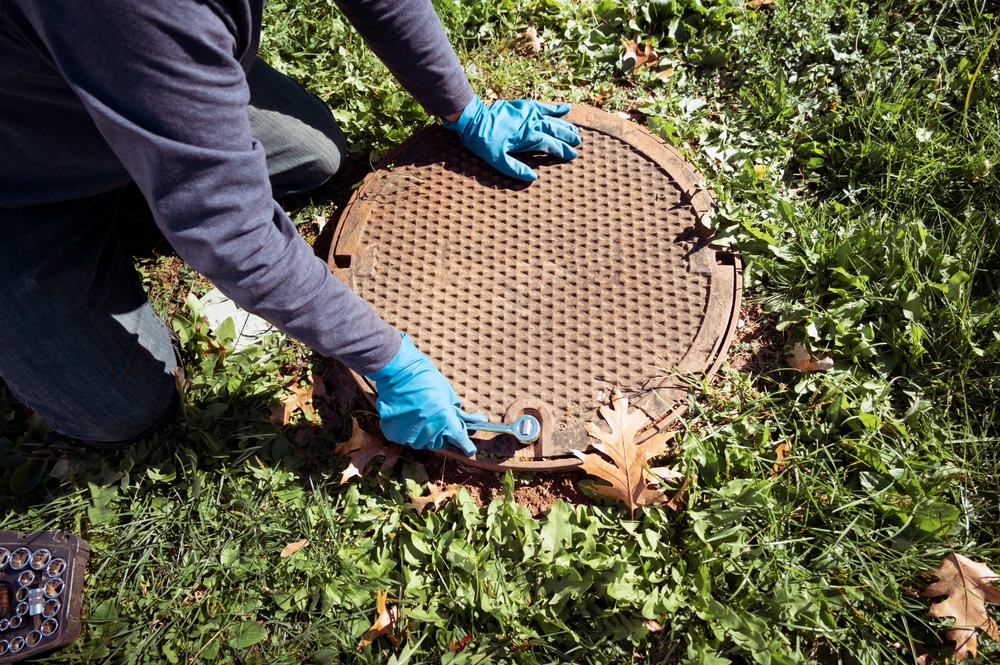
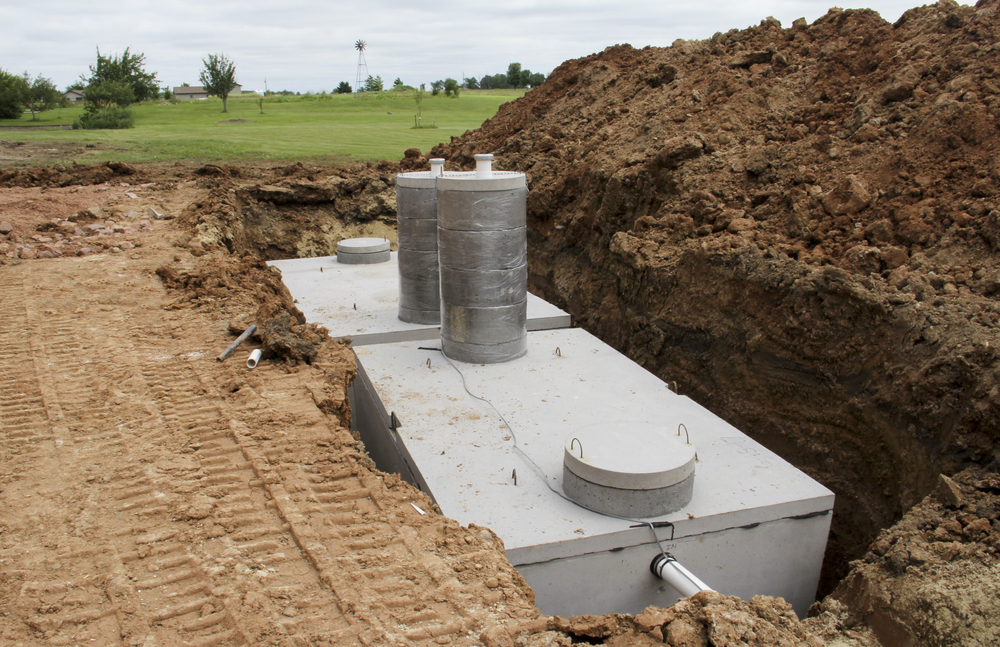
When it comes to property ownership in Savage, MN, understanding septic compliance inspections is critical for maintaining your home’s value and ensuring environmental safety. Septic systems are widely used in areas where municipal sewer systems are unavailable, making them an essential part of residential and commercial properties. These systems, however, require regular maintenance and proper inspections to ensure they operate efficiently and comply with local regulations.
A septic compliance inspection is a detailed evaluation of the system to determine whether it meets the established standards set by local authorities and the Minnesota Pollution Control Agency (MPCA). These inspections are especially important during property transfers, new construction, or when upgrading an existing system. Without proper inspection and compliance, property owners in Savage, MN risk facing fines, environmental hazards, and potential legal issues.
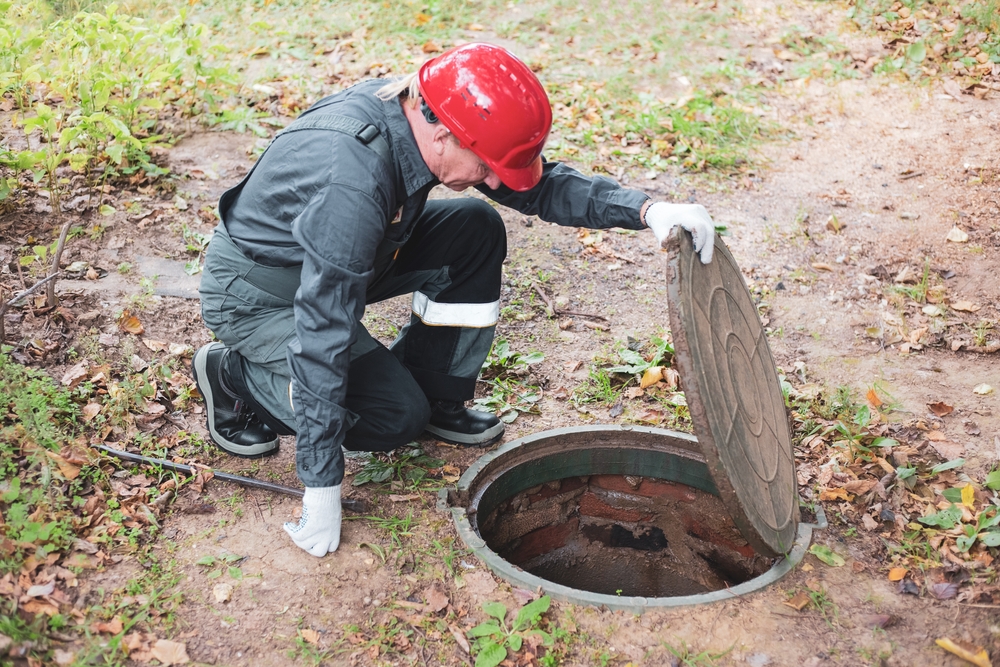
During the process, a certified inspector will assess the septic tank, drain field, and associated components to ensure everything is functioning correctly. They also check for leaks, clogs, and signs of system failure, such as slow drainage or foul odors around the property. If issues are found, property owners are typically required to address them promptly to meet compliance standards.
In Savage, MN, homeowners should be proactive about scheduling septic compliance inspections. Regular evaluations not only protect your investment but also help maintain water quality and public health in the community. Since local soil conditions and regulations can affect system performance, working with professionals familiar with Savage’s guidelines ensures you get accurate results and proper recommendations.
Understanding and staying ahead of compliance requirements saves property owners time, money, and stress in the long run. Ignoring these inspections can lead to more severe problems, including groundwater contamination and costly system replacements.
Importance of Regular Septic Compliance Inspections in Savage, MN
Routine septic compliance inspections are more than just a legal formality—they are an essential part of responsible property management in Savage, MN. Over time, septic systems can become less efficient due to natural wear and tear, improper use, or external factors like flooding or soil compaction. Without regular inspections, small issues can go undetected until they evolve into expensive repairs or complete system failure.
In Savage, environmental preservation is a priority, and septic systems play a significant role in maintaining clean groundwater and protecting local lakes, rivers, and wetlands. A malfunctioning system can leak harmful waste into the surrounding environment, impacting both human health and wildlife. Local authorities require septic systems to meet specific standards to minimize these risks, and compliance inspections ensure that these standards are consistently upheld.
For homeowners considering selling their property, septic compliance inspections are often mandatory. Buyers want assurance that the septic system is functional and safe. Failing to provide a compliant system can delay sales or reduce property value. Even if you’re not planning to sell, regular inspections can save thousands of dollars by identifying problems early.
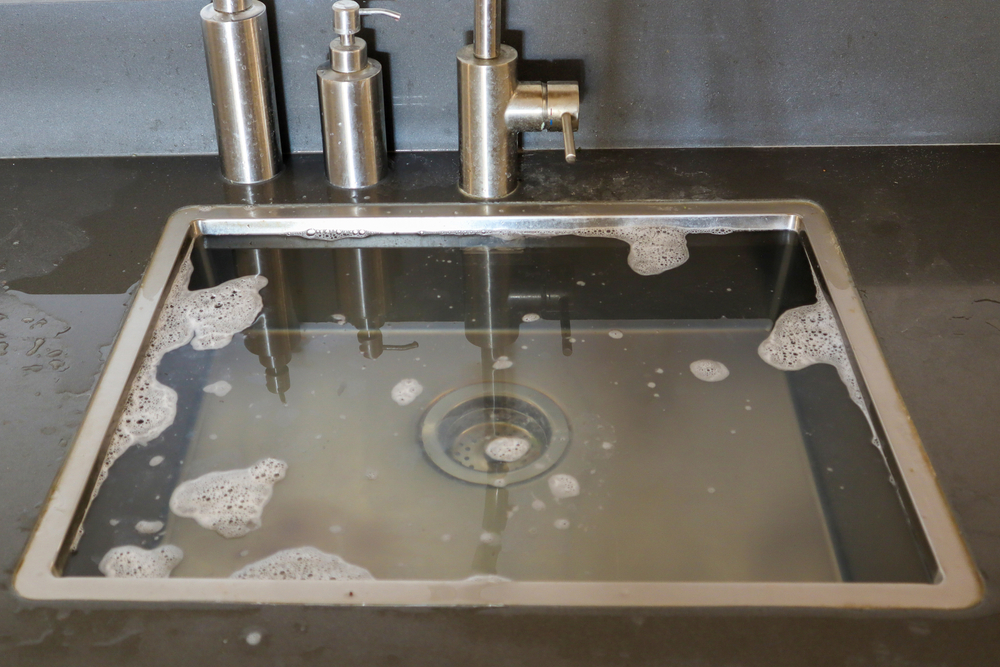
Certified septic inspectors in Savage, MN are trained to look for indicators of system stress, such as slow-draining sinks, soggy lawns, or unusual odors near the drain field. They’ll also verify that the system’s size matches the household’s needs and that there’s no sign of wastewater backing up into the home.
Staying current with inspections demonstrates responsible property ownership, safeguards the environment, and ensures your home complies with Minnesota’s regulations. Investing in regular compliance checks is a proactive step toward avoiding unexpected financial burdens and maintaining peace of mind.
Septic Pumping Bloomington MN
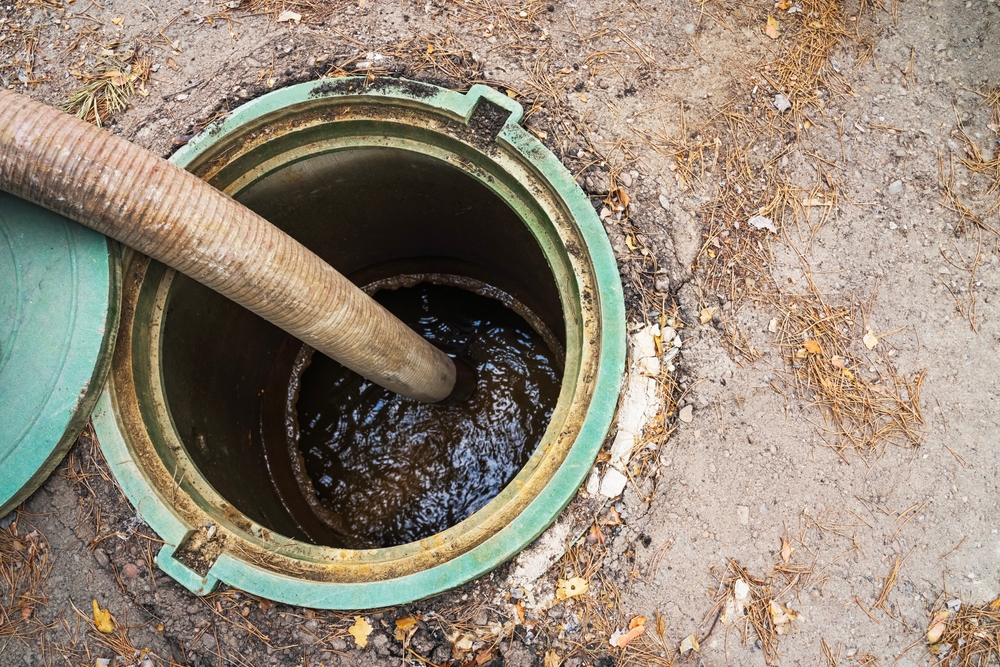
Just a short drive from Savage, Bloomington, MN residents also rely heavily on septic systems to manage household wastewater. While compliance inspections are crucial, septic pumping in Bloomington, MN is equally important for maintaining a healthy and efficient system. Pumping involves removing accumulated sludge, scum, and wastewater from the septic tank to prevent overflow and system failure.
Over time, solid waste naturally builds up in the septic tank. If this waste isn’t removed, it can clog pipes, reduce system efficiency, and cause wastewater backups into your home. Professionals generally recommend septic pumping every three to five years, though the frequency depends on household size, water usage, and the tank’s capacity.
Bloomington, MN has specific guidelines to ensure septic systems remain effective and environmentally safe. Professional septic pumping companies in the area understand local regulations and use specialized equipment to clean tanks thoroughly. This process not only extends the life of the septic system but also prevents potential contamination of groundwater and nearby water sources.
Ignoring the need for septic pumping can result in costly damage. Once a tank reaches capacity, untreated wastewater may seep into the drain field, leading to soil saturation and environmental hazards. Additionally, homeowners may face fines or mandatory repairs if a failed system contaminates nearby properties.
Scheduling routine septic pumping in Bloomington, MN ensures optimal performance, reduces the risk of emergencies, and keeps your property in compliance with local ordinances. Working with experienced professionals also guarantees safe and efficient disposal of waste materials, protecting both your home and the environment.
How Bloomington, MN Residents Benefit from Routine Septic Maintenance
Maintaining a septic system isn’t just about avoiding problems—it’s about maximizing efficiency, protecting your property value, and promoting environmental sustainability. For Bloomington homeowners, regular septic pumping and inspections work hand-in-hand to ensure the system operates properly for years to come.
Routine maintenance prevents major system failures and reduces the likelihood of unexpected repairs. Since septic systems are underground, most problems aren’t visible until significant damage occurs. That’s why scheduling preventive pumping and inspections is critical to identifying issues like cracks in the tank, blocked lines, or failing pumps before they escalate.
For households with high water usage, pumping may need to happen more frequently than the standard three to five years. Families with multiple bathrooms, large appliances, or high guest traffic should consult local experts to determine the ideal schedule for their system.
Bloomington residents also benefit from professional maintenance when planning home renovations or additions. Adding bathrooms, laundry rooms, or expanded living spaces can increase wastewater production, which may require adjusting or upgrading your septic system. A proper evaluation and pumping ensure your tank has the capacity to handle the changes without compromising performance.
Regular maintenance doesn’t just save money on repairs—it extends the life of your septic system, maintains property value, and ensures compliance with Minnesota’s environmental regulations. Partnering with local septic service providers gives homeowners confidence that their systems are properly cared for and operating efficiently.
Conclusion
Septic systems play an essential role in managing household wastewater in both Savage, MN and Bloomington, MN. Whether you’re scheduling septic compliance inspections in Savage or septic pumping in Bloomington, staying proactive with system maintenance is crucial for protecting your property, the environment, and public health.
Compliance inspections ensure that systems meet local and state regulations, preventing costly fines and safeguarding water quality. Similarly, regular septic pumping keeps systems running smoothly, extends their lifespan, and avoids unexpected breakdowns.
By working with experienced professionals who understand the unique needs of Savage and Bloomington residents, homeowners can maintain peace of mind knowing their septic systems are properly maintained. Investing in inspections, pumping, and routine care today can save thousands of dollars in future repairs while preserving the natural beauty of Minnesota’s communities.
Need Septic Tank Services Near You?
Since 1956, Mike’s Septic & McKinley Sewer Services has been providing the local area with an invaluable service. We are a family-owned and -operated company that takes pride in the work that we do and the relationships we build with our customers. We strive for perfection with each job we take and make sure our customers are always happy. At Mike’s Septic & McKinley Sewer Services, we specialize in everything septic. We handle anything from tank and system design to the actual installation. We do septic system and tank repairs, cleaning, pumping, and routine maintenance. We also do tank and system compliance inspections and certification. Contact us today to learn more about what we can do for you!
Dealing with a clogged or overflowing drain is never convenient, but when it happens unexpectedly, especially in the middle of the night or during a holiday, it can feel like a true emergency. For residents in Savage, MN, finding a reliable drain cleaning service is essential—but what should you do while waiting for the professionals to arrive? Understanding how to manage the situation temporarily and knowing when to call a professional drain cleaner can help minimize water damage and health hazards in your home.
Understanding the Urgency of a Drain Emergency
In most households, drain issues build up over time. Soap scum, hair, grease, and food waste gradually accumulate in your pipes, slowing down water flow and eventually causing a complete blockage. However, in some cases, these blockages seem to appear out of nowhere, especially if the underlying plumbing system is already compromised or if a foreign object has obstructed the pipe suddenly. Regardless of how it starts, a completely clogged drain can cause severe water backup, property damage, and even exposure to harmful bacteria.
In Savage, MN, drain emergencies are particularly troublesome during seasonal weather shifts. In colder months, pipes may freeze and crack, making them more prone to sudden clogs, while springtime can bring excess runoff and sediment into exterior drains. In these situations, calling a professional drain cleaning service in Savage, MN becomes crucial. Still, even the best technicians need time to get to your home—so taking smart interim steps is key to avoiding a bigger disaster.
Steps to Minimize Damage Before the Professionals Arrive
If you’ve already contacted a reputable drain cleaning service in Savage, MN, you’re on the right path. While you wait for them to arrive, you can take a few proactive measures to manage the problem and protect your home. First, stop using water in the affected area. If your kitchen sink is backed up, refrain from running the dishwasher or faucet. If the bathroom is the problem zone, avoid flushing the toilet or taking a shower. This prevents additional water from accumulating in an already stressed system.
Next, assess the situation. Is the water overflowing, or is it simply not draining? If it’s overflowing, find and shut off the water supply line if you can. Most sinks and toilets have valves nearby. Use towels, mops, or buckets to contain and remove any standing water to prevent it from soaking into floors or walls. If the blockage seems localized—like just one slow-draining sink—you may try using a plunger. Be careful not to use chemical drain cleaners, especially in a true emergency, as these can sit in the pipes and worsen the situation or cause damage to old plumbing.
Another good practice is to keep the area ventilated. Use fans or open windows to help dry out moisture and reduce odors. If the situation involves wastewater backup, it’s important to sanitize the area as best as possible using a mild bleach solution, but only if it’s safe and manageable to do so. Wearing rubber gloves and avoiding contact with contaminated water is vital for your health.
When to Try DIY Solutions and When to Avoid Them
In minor cases, homeowners may consider simple at-home remedies to resolve a clog temporarily. One such method is the hot water and baking soda approach, where you pour a pot of boiling water followed by half a cup of baking soda and then a cup of vinegar down the drain. This can help dislodge grease-based clogs but should never be used on plastic pipes or in conjunction with chemical drain cleaners, as it may cause corrosion or dangerous reactions.
Another potential fix is using a drain snake, which can reach deeper clogs in your pipes. If you have a manual or power auger and know how to use it safely, this might alleviate the immediate problem. However, improper use of drain snakes can lead to scratched or damaged pipes, which may require costly repairs later on. If you’re unsure, it’s better to wait for a trained drain cleaner in Savage, MN who has the right tools and experience to perform the job properly.
Avoid using chemical drain cleaning products at all costs during an emergency. Not only are these products often ineffective on tough clogs, but they can also create toxic fumes, damage pipes, and make it more difficult for professional technicians to safely clear the blockage. Most drain cleaning services advise against these products altogether, recommending mechanical or hydro-jetting solutions instead, especially for recurring or severe blockages.
Choosing the Right Drain Cleaning Service in Savage, MN
While you’re dealing with the immediate issue, it’s worth thinking about the type of drain cleaning service you’re bringing in. In Savage, MN, the best providers offer emergency services, fast response times, and a full range of tools, including camera inspections and hydro-jetting technology. These companies not only clear your current clog but can also provide long-term solutions to prevent future problems.
Look for a service with a solid reputation—check reviews, testimonials, and local recommendations. Ideally, they should be licensed, insured, and transparent about their pricing. Ask if they provide warranties on their work, and if they offer maintenance plans or tips for keeping your drains clear in the future. A trustworthy company will be happy to explain their process and help you understand what caused the issue in the first place.
Many Savage, MN homeowners benefit from forming a relationship with a local drain cleaner they can call during emergencies. This ensures that you’re not scrambling for help when a crisis strikes. Proactive maintenance from a trusted provider can also help identify warning signs before they escalate into major plumbing emergencies, saving you time, stress, and money.
Prevention Tips to Avoid Future Drain Disasters
Once your immediate emergency is resolved, prevention should become a top priority. Many drain problems in Savage, MN arise from habits that homeowners can change. Avoid pouring grease, coffee grounds, or food particles down kitchen sinks. Use drain guards in bathrooms to trap hair and soap residue, and clean them regularly. Run hot water after using the sink to help flush residue through your pipes.
If your home has older plumbing or if you’ve experienced multiple clogs over time, consider scheduling regular professional drain cleaning. Services in Savage, MN often recommend yearly inspections, especially if your home is surrounded by mature trees, which can send roots into your main sewer line. Catching and clearing these obstructions early can prevent thousands of dollars in repairs down the road.
It’s also wise to install backwater valves or sump pumps if your home is susceptible to basement flooding. These additions can protect against sewer backups during heavy rainfall. Finally, keep an eye out for slow drains, gurgling noises, or unpleasant odors, as these are early signs that a larger blockage may be forming.
Conclusion
Emergency drain cleaning situations can be stressful—but with quick thinking, proper care, and support from a professional drain cleaner in Savage, MN, you can handle the situation confidently and minimize the risk of long-term damage. By taking proactive steps and choosing a reliable service provider, you’ll be better prepared for future incidents and help ensure your home’s plumbing runs smoothly for years to come.
Need Septic Tank Services Near You?
Since 1956, Mike’s Septic & McKinley Sewer Services has been providing the local area with an invaluable service. We are a family-owned and -operated company that takes pride in the work that we do and the relationships we build with our customers. We strive for perfection with each job we take and make sure our customers are always happy. At Mike’s Septic & McKinley Sewer Services, we specialize in everything septic. We handle anything from tank and system design to the actual installation. We do septic system and tank repairs, cleaning, pumping, and routine maintenance. We also do tank and system compliance inspections and certification. Contact us today to learn more about what we can do for you!
When it’s time for your scheduled septic tank servicing in Prior Lake, MN, it’s perfectly normal to wonder what exactly will happen. For many homeowners, especially those new to septic systems, the process can seem a bit mysterious or even intimidating. However, with a basic understanding of what to expect on the day of service, you’ll feel confident and well-prepared. Whether it’s a routine inspection, a full septic pumping, or a more complex septic pump repair, knowing what lies ahead ensures a smoother experience with minimal disruption to your day.
The Importance of Timely Septic Service in Prior Lake, MN
Prior Lake, MN, like many parts of rural and suburban Minnesota, relies heavily on septic systems to manage wastewater for homes and businesses. Unlike municipal sewer systems, a septic system is an independent structure requiring regular maintenance to function correctly. Over time, solids accumulate in the tank and must be pumped out to avoid backups, clogs, and potential damage.
Regular septic pumping in Prior Lake, MN not only extends the life of your system but also helps protect the local environment. The area’s water bodies—like Prior Lake itself and surrounding wetlands—are especially vulnerable to contamination from failed septic systems. That’s why septic pump repair and timely service are critical. Moreover, local regulations may also mandate routine inspections or service intervals to keep septic systems in compliance.
When you schedule septic servicing, you’re making a proactive investment in your home’s infrastructure. Understanding the logistics of what happens on service day removes stress and empowers you to take better care of your property.
Before the Technicians Arrive: How to Prepare
In the hours leading up to your scheduled septic service, a little preparation can go a long way. First, ensure clear access to the septic tank lid or risers. If your tank is buried and not outfitted with above-ground risers, the crew may need to dig to expose the lids. Clear any debris, lawn furniture, or obstacles around the tank area to give them adequate working space.
Also, keep pets indoors or secured during the visit. While the service is not harmful, the noise and presence of strangers may cause anxiety for animals, and technicians will need to focus without distractions. If you’re unsure about the tank location, many septic companies offer locating services or can review previous pumping records if available.
Most providers will confirm your appointment a day in advance and provide a service window for arrival. The average service visit lasts one to two hours depending on the tank size, accessibility, and whether the visit involves basic septic pumping or more extensive septic pump repair.
What Happens During Septic Tank Servicing
Once the crew arrives, they’ll perform a visual inspection of the tank and surrounding area. This includes checking for signs of leaks, backups, or drainage issues. If you’ve reported slow drains, gurgling sounds, or foul odors recently, be sure to inform them so they can assess potential causes.
If the appointment is for standard septic pumping, the technicians will use a large vacuum hose connected to a pump truck to remove the accumulated sludge and scum layers from the tank. Modern trucks are equipped to handle tanks of various sizes and capacities, ensuring a thorough cleanout. The process is surprisingly efficient and not overly messy—though it is best to keep windows closed during the operation, especially on warmer days.
During pumping, the technician may stir or agitate the tank contents with a long pole to break up solids. They’ll monitor the contents, looking for abnormal levels, coloration, or floating debris that may indicate system failure or improper usage habits.
If you’ve scheduled septic pump repair, the technician will inspect and possibly replace the pump system—typically located in the second chamber of a multi-chamber tank or in a separate pump basin. Common repairs include replacing float switches, clearing pump clogs, or fixing electrical connections. Any needed replacements will be discussed with you before they proceed, along with cost estimates.
Technicians will also evaluate the tank’s condition, including the baffles (which prevent solids from escaping into the drainfield) and tank walls. If cracks or deterioration are present, they may recommend follow-up repairs or even a full replacement, though such cases are rare during routine servicing.
After the Service: Next Steps and Maintenance Tips
When the servicing is complete, your technician will likely provide a service report outlining what was done, the condition of the system, and any recommendations for repairs or maintenance. This document is essential to keep for your records and may be required during property sales or insurance claims.
If you had a septic pump repair done, the technician may advise monitoring the system over the next few days for proper operation. If your system includes an alarm panel or warning light, make sure it is reset and functional.
You’ll also receive guidance on best practices moving forward. These might include conserving water to reduce strain on the system, avoiding harsh chemicals or grease down the drain, and not planting trees too close to the septic field, which could interfere with pipes or drainage.
Scheduling future septic pumping in Prior Lake, MN should also be discussed. While the standard recommendation is every 2–3 years, the exact frequency depends on household size, tank capacity, and water usage habits. Your technician will offer a tailored schedule based on your tank’s condition and pumping history.
If problems were found, such as a partially clogged drainfield or deteriorating tank, you may be referred to a septic engineer or specialist for further assessment. Reputable septic providers in Prior Lake, MN often have trusted local partners and can help coordinate additional services as needed.
Choosing the Right Septic Company in Prior Lake, MN
The quality of your service experience often depends on the provider you choose. Look for companies with licensed and experienced technicians, strong customer reviews, and a good standing with local health departments. It’s also helpful to work with a provider familiar with the soil types, topography, and specific septic challenges unique to Prior Lake, MN.
An established septic company will not only deliver efficient and clean service but also educate you along the way. From explaining what they find in your tank to walking you through septic pump repair options, transparency is a sign of a company that values its customers.
When getting quotes, ask about what’s included in the service fee. Some companies bundle in camera inspections, effluent filter cleaning, or sludge depth measurements, while others charge separately. Don’t be afraid to request clarification on pricing, especially if additional work is recommended during the appointment.
Finally, consider signing up for a routine maintenance plan if one is offered. These programs often include reminders for future service, discounts on repairs, and priority scheduling—particularly valuable during high-demand seasons like spring thaw or late fall before ground freeze.
By building a long-term relationship with a reliable septic provider in Prior Lake, MN, you not only protect your property’s value but also gain peace of mind knowing that your septic system is in expert hands.
Conclusion
The day of your septic tank servicing in Prior Lake, MN should feel less like a chore and more like a necessary step in responsible homeownership. From preparation and inspection to septic pumping and possible pump repairs, the entire process is straightforward when managed by knowledgeable professionals. Armed with an understanding of what to expect, you’ll be better equipped to maintain your system and avoid costly surprises. Whether it’s your first service or a routine check-in, taking care of your septic system means taking care of your home, your health, and your local environment.
Need Septic Tank Services Near You?
Since 1956, Mike’s Septic & McKinley Sewer Services has been providing the local area with an invaluable service. We are a family-owned and -operated company that takes pride in the work that we do and the relationships we build with our customers. We strive for perfection with each job we take and make sure our customers are always happy. At Mike’s Septic & McKinley Sewer Services, we specialize in everything septic. We handle anything from tank and system design to the actual installation. We do septic system and tank repairs, cleaning, pumping, and routine maintenance. We also do tank and system compliance inspections and certification. Contact us today to learn more about what we can do for you!
Maintaining a septic system is crucial for any homeowner in Bloomington, MN, where many residential properties rely on private septic systems to manage wastewater. The health of your septic system directly impacts not only your household’s plumbing but also the surrounding environment. This makes septic compliance inspections and residential septic repair a critical part of property maintenance. Understanding the costs involved can help you plan, budget, and avoid unpleasant surprises. From mandatory compliance checks to emergency repairs, let’s explore what Bloomington, MN, homeowners need to know about septic inspections and repair costs.
Why Septic Compliance Inspections Matter
In Bloomington, MN, local ordinances and environmental laws require regular septic compliance inspections to ensure systems operate safely and do not contaminate groundwater or nearby bodies of water. These inspections are especially important when a property is being sold or transferred, as the system must meet current codes before the transaction can proceed.
During a compliance inspection, certified professionals check critical elements of the septic system, including the tank’s structural integrity, baffles, filter, and distribution system. They also verify that the drain field is functioning properly and not showing signs of hydraulic failure. In some cases, soil testing is performed to ensure adequate percolation rates for wastewater. These inspections can cost anywhere from $300 to $800 depending on the property size, system complexity, and required laboratory tests. However, failing to comply with these inspections can result in fines and forced repairs, making proactive compliance a smart investment for homeowners.
Typical Costs of Residential Septic Repair
Once an inspection reveals deficiencies, residential septic repair may become necessary. Septic system repairs in Bloomington, MN, can vary dramatically depending on the issue. Minor repairs, such as replacing a broken baffle or repairing a cracked tank lid, may only cost a few hundred dollars. However, more severe problems like a collapsed drain field or tank replacement can run into the tens of thousands.
For example, drain field restoration, a common repair in aging septic systems, can cost between $3,000 and $10,000 depending on the size and the severity of the soil saturation. A full septic tank replacement, which might be required if the tank is structurally unsound or leaking, can range from $5,000 to $15,000. These figures do not include landscape restoration, which is often necessary after excavation work. Because of these potential high costs, it is recommended that homeowners schedule regular inspections and maintenance to catch issues early and keep costs under control.
Factors That Influence Septic System Costs
Several factors affect the total price of septic inspections and repairs in Bloomington, MN. First, the age and type of the septic system play a huge role. Older systems are more likely to have deteriorated components and outdated technology that may not meet current compliance standards, leading to higher repair or replacement costs.
Second, soil conditions around the property influence both inspection and repair prices. For example, properties with clay-heavy or poorly draining soil may require more advanced drain field solutions, which are more expensive to design and install. Third, the size of the household and wastewater load also matters. Larger homes with greater water usage place more strain on their septic systems, potentially resulting in more frequent repairs.
Finally, the experience and certification of the septic contractor can affect costs. Licensed and reputable contractors often charge higher rates, but their expertise can prevent costly mistakes and ensure that any work is fully code-compliant. Given the high stakes of proper wastewater treatment, cutting corners to save money on inspections or repairs can ultimately result in more expensive consequences down the road.
Planning for Septic Maintenance in Bloomington, MN
Homeowners in Bloomington, MN, should adopt a proactive mindset when it comes to septic maintenance. Scheduling regular pumping every three to five years, depending on household size, is essential to keep solids from building up and clogging the drain field. Between pumpings, periodic septic compliance inspections can identify early warning signs of leaks, cracks, or saturated drain fields before they escalate into costly emergencies.
It is also wise to build a maintenance budget. Set aside a small amount each month in anticipation of eventual residential septic repair, so you won’t be caught off guard when repairs arise. Many septic professionals recommend budgeting around $300–$500 per year for inspections, maintenance, and minor repairs, depending on your system’s size and age. That way, you’ll have funds available if a major component like a pump or filter fails unexpectedly.
Additionally, consider working only with licensed professionals familiar with the unique requirements of Bloomington, MN. Hiring someone who is not trained in local codes could result in failed inspections or even civil penalties if repairs don’t meet compliance standards.
Navigating Regulatory Requirements and Local Resources
Bloomington, MN, enforces strict standards around septic compliance inspections to protect public health and local water quality. The city’s environmental health department provides resources and guidelines for property owners to help them stay compliant. Homeowners should familiarize themselves with these local rules and keep records of all inspections, pumping, and repairs in case proof of maintenance is needed during a sale or transfer.
Some homeowners may qualify for grants or low-interest loans to help cover the cost of replacing or upgrading failing septic systems. These programs, often administered through state or county agencies, can offset what might otherwise be an overwhelming expense. Checking with the city’s environmental health division or a trusted local septic contractor is the best way to learn what resources might be available to you.
In the end, maintaining a septic system in Bloomington, MN, is a responsibility that comes with real financial implications. From routine septic compliance inspections to emergency residential septic repair, understanding the costs and planning ahead is essential. By investing in regular maintenance and choosing certified professionals, homeowners can protect their health, safeguard their investment, and avoid the headaches of unexpected system failures.
Conclusion
Whether you’re a new homeowner or have lived on your property for decades, staying proactive about septic care is one of the smartest moves you can make. While the costs can seem daunting, they are far less than the expense — and stress — of a full-scale septic system failure. With a thorough understanding of what influences inspection and repair costs, you’ll be well-prepared to keep your septic system healthy and compliant for years to come.
Need Septic Tank Services Near You?
Since 1956, Mike’s Septic & McKinley Sewer Services has been providing the local area with an invaluable service. We are a family-owned and -operated company that takes pride in the work that we do and the relationships we build with our customers. We strive for perfection with each job we take and make sure our customers are always happy. At Mike’s Septic & McKinley Sewer Services, we specialize in everything septic. We handle anything from tank and system design to the actual installation. We do septic system and tank repairs, cleaning, pumping, and routine maintenance. We also do tank and system compliance inspections and certification. Contact us today to learn more about what we can do for you!
Savage, MN, is a vibrant and growing community where residential septic systems are common, especially in less urbanized parts of the city. Many residents rely on private septic systems for wastewater treatment, making awareness of local septic regulations critical. Failing to follow these rules not only jeopardizes your property’s functionality but also threatens the community’s water quality and environment. Understanding local ordinances, state laws, and best practices can help you navigate the complexities of residential septic repair in Savage, MN, while keeping you compliant with all necessary codes. Whether you are a new homeowner or a long-time resident, it’s crucial to keep abreast of septic compliance inspections in Savage, MN, to avoid costly mistakes and protect public health.
Understanding Septic System Regulations in Savage, MN
Savage, MN, follows a combination of state guidelines from the Minnesota Pollution Control Agency (MPCA) and local ordinances enforced by Scott County. The MPCA sets the overall framework for how septic systems should be designed, installed, operated, and maintained across Minnesota. These state rules are designed to safeguard groundwater resources, public health, and surface water from contamination caused by improperly functioning systems.
At the local level, Scott County requires permits for any new septic installation, replacement, or major repair. Before beginning residential septic repair in Savage, MN, you must submit a design to the county for approval, ensuring it meets the required soil and sizing standards. Moreover, the county mandates compliance inspections for property transfers, meaning if you plan to sell your home, you will need to verify your septic system is up to code. This compliance inspection typically includes verifying setbacks from wells, property lines, and other environmental features, as well as checking the structural soundness of septic tanks and drain fields. These rules are in place to ensure that outdated or failing septic systems do not create environmental or health hazards for neighbors or downstream communities.
Staying on top of these regulations means maintaining proper records of your septic system’s installation, repairs, and pumping schedules, which can save you headaches down the road. When in doubt, contact Scott County’s Environmental Health Department or a licensed septic contractor familiar with Savage, MN’s requirements for guidance.
Septic Compliance Inspections: What to Expect
Septic compliance inspections are a vital safeguard that protects your household and the broader community. In Savage, MN, these inspections are triggered most often during real estate transactions, new construction, or significant remodels that impact plumbing. Inspectors licensed by the state and approved by the county will check whether your system meets the Minnesota rules and local ordinances, focusing on elements like tank integrity, drain field performance, and distance from sensitive features such as wetlands or wells.
During the compliance inspection, the inspector will typically uncover the septic tank to verify it is watertight and structurally sound. They may also measure the depth of the soil treatment area to confirm there is adequate separation from the seasonal high water table. If you have an advanced treatment system, the inspector will also evaluate the treatment unit’s components, such as pumps or aerators, to ensure they operate as designed.
If your system fails inspection, you are generally given a timeframe to correct deficiencies, which could include residential septic repair in Savage, MN, or even complete replacement if the system is beyond repair. Having regular inspections outside of mandated ones can help you catch minor issues before they become major, saving money and protecting the environment. It is wise to work with experienced septic professionals who understand Savage’s compliance rules to guide you through this sometimes complicated process.
Tips for Maintaining Your Septic System
Good septic system maintenance goes beyond regulatory obligations — it protects your property’s value and supports community health. Homeowners in Savage, MN, should pump their septic tanks regularly, generally every 2 to 3 years, depending on the size of the tank and household occupancy. This simple step prevents solids from clogging the drain field and helps extend the system’s lifespan.
You should also be mindful of what goes down the drain. Harsh chemicals, grease, wipes, and feminine hygiene products can harm the beneficial bacteria in your tank, reducing its ability to treat wastewater. Water conservation habits, such as spreading out laundry loads and fixing leaky faucets, will also lessen strain on your system and improve overall performance.
Another crucial practice is protecting your drain field. Avoid parking vehicles or placing heavy objects on the drain field area, as compacted soil can reduce its ability to treat effluent effectively. Similarly, direct roof gutters and surface drainage away from the septic area to prevent oversaturation. These common-sense measures, combined with routine compliance inspections in Savage, MN, will keep your septic system functioning reliably for many years.
Homeowners can also consider drawing up a septic management plan with their installer or service provider. This plan typically records the system layout, pumping schedule, and maintenance tasks to be performed, giving you a convenient checklist for the future. Such a proactive approach will make it easier to demonstrate compliance if you need to sell your property or pull permits for remodeling projects.
Common Septic Issues and How to Address Them
Even well-designed septic systems can encounter problems over time. In Savage, MN, the freeze-thaw cycles and clay-rich soils can sometimes lead to drainage issues. Slow-draining fixtures, gurgling sounds, or sewage odors inside the home can be warning signs of trouble. If you notice these symptoms, contact a licensed septic professional for a system evaluation right away.
Residential septic repair in Savage, MN, may involve replacing cracked tanks, unclogging lines, or rebuilding parts of the drain field. Occasionally, tree roots can invade septic pipes, leading to backups. In such cases, professional root removal and pipe repair may be needed. Problems like drain field ponding can often be traced back to excessive water usage or system overloading, which is why conservative water use is strongly encouraged.
When repairs are needed, always ensure that the contractor is certified and knowledgeable about Savage’s local rules. Unauthorized repairs or unpermitted system changes can result in fines or future compliance headaches. It is also a good idea to keep detailed records of any repairs completed so they can be presented during compliance inspections if requested.
By taking prompt action when issues arise and adhering to local codes, you protect both your investment and the broader community’s health. Remember, septic systems are a vital but often overlooked infrastructure, and giving them the attention they deserve pays off in the long run.
Planning for the Future of Septic Systems in Savage, MN
As Savage, MN, continues to grow, more residents will depend on effective and environmentally sound wastewater treatment systems. Local regulations may evolve to reflect advances in treatment technology, stricter water quality protections, or higher population density. Homeowners should stay informed about future updates from the Minnesota Pollution Control Agency and Scott County Environmental Services to ensure ongoing compliance.
Savage may also see more adoption of advanced treatment units, which provide enhanced wastewater purification before effluent reaches the soil. These systems, while more complex, are often required on smaller lots or areas with higher groundwater tables. Homeowners should be prepared for the possibility of more rigorous maintenance requirements if they install these units, including frequent inspections or component replacements.
Community education will play a big role in supporting the long-term health of septic systems in Savage, MN. Workshops, public information campaigns, and cooperation among homeowners can raise awareness of best practices and reduce pollution risks. Proactive outreach helps keep everyone on the same page and reduces the burden on local enforcement agencies.
Conclusion
Managing your septic system properly means more than simply avoiding penalties — it reflects a commitment to the health of Savage’s families, neighbors, and natural resources. By understanding local regulations, keeping up with compliance inspections in Savage, MN, and following best maintenance practices, you can protect your home, your investment, and the environment for many years to come.
Need Septic Tank Services Near You?
Since 1956, Mike’s Septic & McKinley Sewer Services has been providing the local area with an invaluable service. We are a family-owned and -operated company that takes pride in the work that we do and the relationships we build with our customers. We strive for perfection with each job we take and make sure our customers are always happy. At Mike’s Septic & McKinley Sewer Services, we specialize in everything septic. We handle anything from tank and system design to the actual installation. We do septic system and tank repairs, cleaning, pumping, and routine maintenance. We also do tank and system compliance inspections and certification. Contact us today to learn more about what we can do for you!