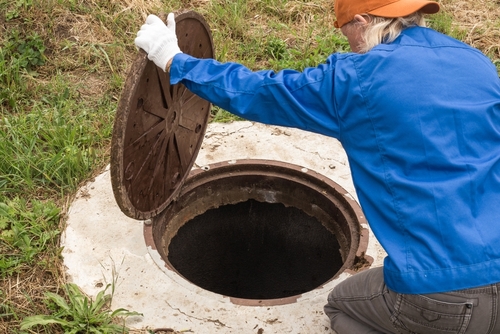
Septic compliance inspections are a routine but critical part of maintaining a safe, functional, and legally sound property. Whether you are facing an upcoming inspection for the first time or you have been through the process before, knowing what to expect and how to prepare can save you time, money, and a whole lot of stress.
This guide will walk you through everything you need to know so you can approach your next inspection with confidence.
Understanding What Septic Compliance Inspections Actually Cover
Before you can prepare for an inspection, it helps to understand what inspectors are actually looking for. Septic compliance inspections in Savage, MN are designed to verify that your system is functioning properly, that it meets current local and state regulations, and that it is not posing any risk to groundwater, neighboring properties, or public health.
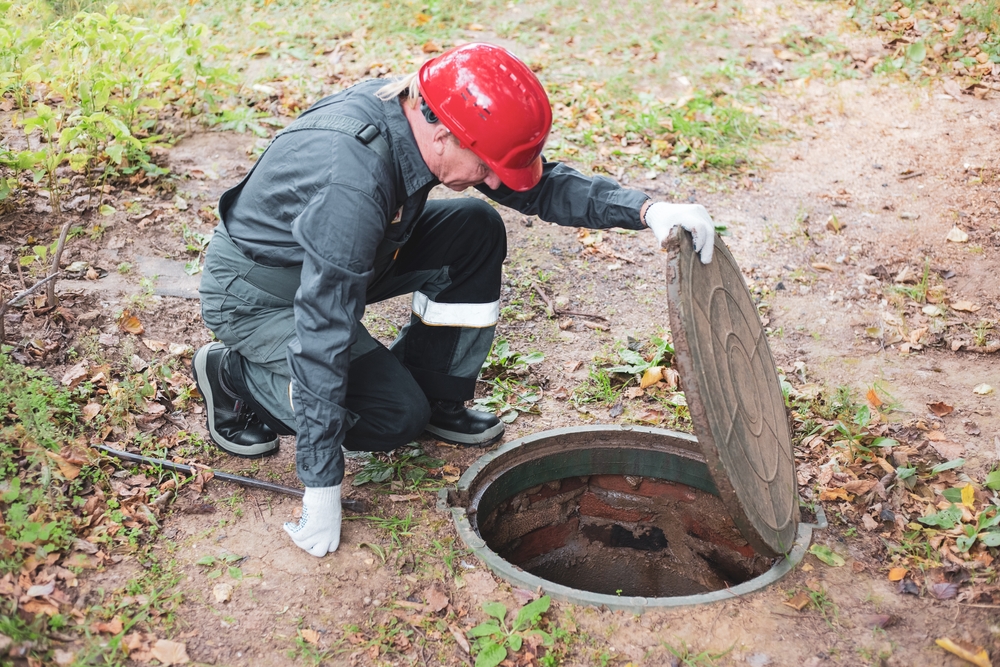
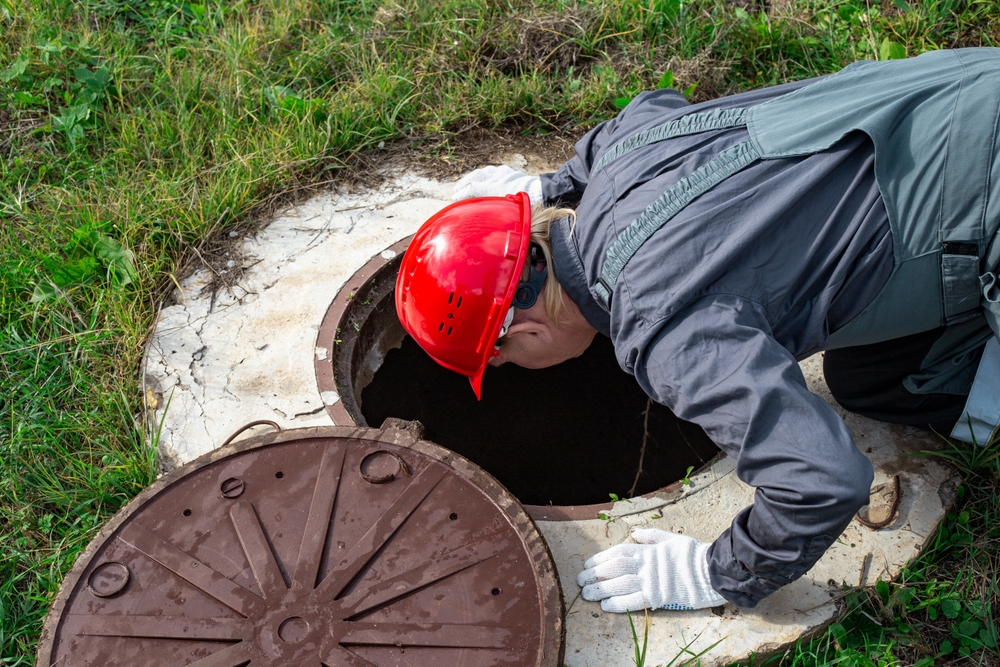
During an inspection, a licensed professional will typically assess the condition of your septic tank, the distribution box, and the drainfield or soil absorption system. They will check for signs of leaks, backups, or structural damage. They will also verify that the system has adequate capacity for the number of bedrooms on your property and confirm that any previous repairs or modifications were completed correctly and up to code.
Scott County has specific requirements for septic systems, and properties in Savage, MN must comply with Minnesota Pollution Control Agency (MPCA) regulations. These rules are in place to protect the environment and public health, and they are taken seriously during every inspection. Knowing what the inspector is evaluating helps you prepare each part of your system ahead of time.
Locating Your Septic System Records and Documentation
One of the first things you should do before any inspection is gather all relevant paperwork related to your septic system. Inspectors will want to review your system’s installation records, any previous inspection reports, maintenance logs, and documentation of past repairs or pumping services.
If you have recently moved into your home or misplaced older records, contact Scott County or the previous homeowner to obtain copies. In many cases, the county has records of permitted septic systems on file. If your system was installed, modified, or inspected in recent years, those records may already be in a county database.
You should also note the location of your septic tank lids, inspection ports, and drainfield boundaries. Inspectors need clear access to these components, and knowing where they are ahead of time will speed up the process significantly. If you are unsure where your tank is buried, a professional septic pumping service in Savage, MN can help you locate it before your inspection date.
Scheduling a Septic Pumping Service Before the Inspection
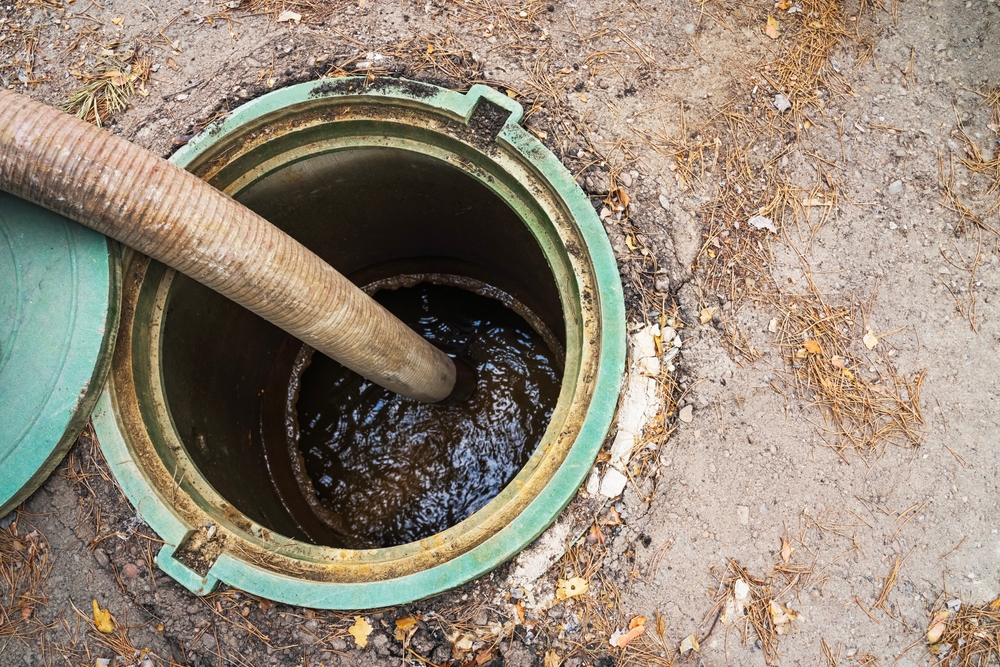
This is one of the most important steps on any pre-inspection checklist. Having your tank pumped before the inspector arrives allows for a much more thorough evaluation of your system’s interior components. When the tank is full or near capacity, it is difficult to assess the baffles, inlet and outlet pipes, and tank walls for cracks or deterioration.
Scheduling a septic pumping service in Savage, MN a week or two before your inspection gives everything time to settle and allows the inspector to get a clear view of what is going on inside the tank. It also demonstrates to the inspector that you are a diligent property owner who takes maintenance seriously, which can work in your favor during the evaluation.
Beyond inspection preparation, routine pumping is simply good practice. Most septic tanks should be pumped every three to five years, depending on household size and usage. If you have not had your tank pumped in several years, do not wait until the day before your inspection. Give yourself enough lead time to schedule with a reputable local service provider.
Inspecting the Drainfield and Surrounding Yard Area
Your drainfield is just as important as the tank itself, and inspectors will pay close attention to its condition. In the days before your inspection, take a walk around your yard and look for any warning signs that something may be wrong.
Watch for wet or soggy patches of ground above the drainfield, especially if there has not been recent rainfall. Unusually lush or fast-growing grass over the drainfield area can indicate that effluent is surfacing, which is a red flag for any inspector. You should also check for foul odors coming from the drainfield or surrounding soil.
Make sure the area around your drainfield is clear of obstacles. Vehicles, heavy equipment, and structures should never be parked or built over the drainfield, as they compress the soil and can crush the distribution pipes below. If you have trees or large shrubs planted near the system, their roots may have infiltrated the pipes, and this is something an inspector will want to investigate.
Avoid doing laundry, running the dishwasher, or taking long showers in the 24 hours leading up to your inspection. Reducing water use before the inspector arrives gives your system time to drain down and makes it easier to evaluate performance under normal conditions.
Fixing Minor Issues Before the Inspector Arrives
If you noticed anything concerning during your own walkthrough, address it before the inspection if possible. Common minor issues include damaged or missing tank lids, loose or cracked inspection port covers, and vegetation growing over access points. These are relatively simple to fix and can prevent your inspection from flagging unnecessary concerns.
However, be cautious about attempting major repairs on your own without the proper permits and licensing. In Minnesota, septic system repairs typically require a permit and must be performed by a licensed professional. Attempting unauthorized work could create bigger problems down the line, especially if those changes are discovered during the inspection.
If your system has known problems, such as a slow drain throughout the house, gurgling sounds in the plumbing, or backed-up fixtures, disclose these honestly to your inspector. Trying to conceal issues will not help you pass an inspection, and transparency allows the inspector to provide better guidance on next steps.
Conclusion
Preparing for septic compliance inspections in Savage, MN does not have to be overwhelming. By organizing your records, scheduling a septic pumping service in Savage, MN ahead of time, checking your drainfield, and addressing minor issues early, you position your system for a smooth and successful evaluation. A little preparation goes a long way toward protecting your property, your investment, and the environment around you.
Need Septic Tank Services Near You?
Since 1956, Mike’s Septic & McKinley Sewer Services has been providing the local area with an invaluable service. We are a family-owned and -operated company that takes pride in the work that we do and the relationships we build with our customers. We strive for perfection with each job we take and make sure our customers are always happy. At Mike’s Septic & McKinley Sewer Services, we specialize in everything septic. We handle anything from tank and system design to the actual installation. We do septic system and tank repairs, cleaning, pumping, and routine maintenance. We also do tank and system compliance inspections and certification. Contact us today to learn more about what we can do for you!
Septic compliance inspections are essential for any homeowner with an on-site wastewater treatment system. If you own property in Savage, Minnesota, understanding how to prepare for a septic compliance inspection can help you avoid costly repairs and ensure your system operates efficiently. This comprehensive guide walks you through everything you need to know about preparing your home for this important inspection.
Septic Compliance Inspections
A septic compliance inspection is a thorough evaluation of your septic system conducted by a certified inspector. These inspections ensure that your system meets local and state environmental regulations and operates safely without contaminating groundwater or surrounding properties. In Savage, Minnesota, septic compliance inspections are often required when selling property, applying for permits, or as part of regular maintenance schedules.
The inspection process typically involves examining your septic tank, drain field, soil conditions, and the overall system’s functionality. The inspector will check for signs of failure, improper installation, or maintenance issues. Understanding what the inspector will evaluate helps you prepare your property accordingly and demonstrates your commitment to environmental responsibility and code compliance.
Locating Your Septic System Components
Before your scheduled inspection, you need to know exactly where your septic system is located. This includes identifying the tank, drain field, and all associated piping. Many homeowners are unaware of their system’s precise location, which can complicate the inspection process. Review your original property records or consult with previous homeowners if documentation is unavailable.
Mark the location of your septic tank clearly so the inspector can easily access it. Remove any debris, vehicles, or structures that might be covering the tank area. The inspector needs clear access to the tank lid and surrounding area to conduct a proper assessment. In Savage, Minnesota, where winters can be harsh, ensure that snow and ice are cleared from the inspection area during winter months.
Document the location of your drain field as well. The drain field is a critical component that disperses treated wastewater into the soil. Keep this area clear of heavy vehicles, structures, and excessive vegetation. Understanding your system’s layout demonstrates preparedness to the inspector and expedites the inspection process.
Maintaining Records and Documentation
Gather all available documentation related to your septic system before the inspection. This includes original installation records, previous inspection reports, septic pumping service receipts, and any maintenance work performed. These records provide valuable history about your system’s condition and care.
If you have used a professional septic pumping service in Savage, Minnesota, maintain those service records carefully. Documentation showing regular pumping every three to five years demonstrates proper system maintenance and responsible ownership. When the inspector sees evidence of consistent care, it reflects positively on your property and system reliability.
Document the age of your system if known. Older systems may require more frequent inspection or upgrades to meet current codes. Create a maintenance log noting any unusual drainage issues, slow drains, or sewage backups. These details help the inspector understand your system’s history and identify potential problems.
Conducting Pre-Inspection Preparation
Several weeks before your scheduled inspection, perform basic maintenance checks on your septic system. Ensure that all drains in your home are flowing properly without backing up. Check for any unusual odors around your yard or coming from sink drains, as these may indicate system problems.
Reduce water usage in the days before your inspection. Avoid running multiple loads of laundry or taking long showers, as this minimizes the wastewater entering your system just before evaluation. A system operating under normal conditions provides the inspector with a more accurate assessment of its functionality.
Inspect your yard for visible signs of system failure. Look for unusually green patches of grass over the drain field, soggy areas, or standing water. These conditions may indicate that your drain field is failing and unable to properly absorb treated wastewater. Report any suspicious conditions to the inspector when they arrive.
Scheduling Your Septic Pumping Service Before Inspection
Consider scheduling a professional septic pumping service in Savage, Minnesota, several weeks before your compliance inspection. A pumped tank allows the inspector to see the tank’s interior condition and assess the system’s functionality more accurately. This proactive step demonstrates your commitment to proper maintenance and can reveal issues before the official inspection.
When you hire a septic pumping service, inform the technician about your upcoming compliance inspection. Professional technicians can identify potential problems that might require attention before the inspector arrives. They can provide recommendations for repairs or maintenance that might be necessary to pass inspection.
Regular septic pumping service keeps your system operating efficiently and extends its lifespan. In Savage, Minnesota, many homeowners pump their systems every three to five years, though frequency depends on tank size and household water usage. Pumping before inspection ensures your system is in optimal condition and demonstrates responsible ownership to the inspector.
Preparing Your Property for Inspection Day
On the day of your inspection, ensure easy access to all septic system components. Trim back any overgrown vegetation around the septic tank area. Clear pathways so the inspector can safely walk to and around the system without obstacles or hazards.
Inform household members about the inspection schedule and request that they minimize water usage during the inspection window. This includes avoiding laundry, showers, and toilet flushing immediately before or during the inspection. The inspector needs to evaluate your system under normal operating conditions without excessive stress from water consumption.
Prepare a quiet workspace where the inspector can document findings and explain results. Have any questions written down before the inspector arrives, and be ready to discuss your system’s history and any concerns you have noticed. A cooperative and organized approach to the inspection helps ensure a thorough and professional evaluation.
Have your property records and previous service documentation readily available for the inspector to review. A complete maintenance history supports your case when inspection results require further explanation or dispute. In Savage, Minnesota, inspectors appreciate homeowners who maintain detailed records and demonstrate genuine care for their properties.
Conclusion
Preparing for a septic compliance inspection requires planning, documentation, and proactive maintenance. By understanding your system’s location, maintaining detailed records, scheduling professional septic pumping service in Savage, Minnesota, and preparing your property for inspection day, you significantly improve the likelihood of passing your compliance evaluation. Taking these steps protects your property value, ensures environmental responsibility, and provides peace of mind knowing your septic system operates safely and efficiently.
Need Septic Tank Services Near You?
Since 1956, Mike’s Septic & McKinley Sewer Services has been providing the local area with an invaluable service. We are a family-owned and -operated company that takes pride in the work that we do and the relationships we build with our customers. We strive for perfection with each job we take and make sure our customers are always happy. At Mike’s Septic & McKinley Sewer Services, we specialize in everything septic. We handle anything from tank and system design to the actual installation. We do septic system and tank repairs, cleaning, pumping, and routine maintenance. We also do tank and system compliance inspections and certification. Contact us today to learn more about what we can do for you!
Buying or selling a home in Savage, MN comes with a list of essential tasks and legal responsibilities. One of the most crucial, especially for properties not connected to municipal sewer systems, is the septic compliance inspection. Septic systems are often hidden underground, but they play a vital role in protecting both human health and the environment. As such, ensuring the system is fully operational and up to code is not just a good idea, it is required by law in many cases.
When navigating a property transaction in Savage, MN, understanding the local septic regulations and taking timely action with septic pumping service and inspections can mean the difference between a smooth closing and a failed deal. Whether you are a buyer, seller, or real estate professional, septic compliance inspections are a step that cannot be ignored.
Understanding Septic Compliance Inspections
A septic compliance inspection is a formal evaluation of a septic system conducted by a certified inspector. The goal of this inspection is to determine whether the system meets the current state and local standards set by the Minnesota Pollution Control Agency (MPCA) and the city of Savage. These standards cover functionality, safety, and environmental impact.
The inspection involves checking each component of the septic system, including the tank, drain field, and plumbing connections. The inspector will look for signs of failure such as leaking, backup, or improper drainage. In some cases, soil tests may also be required to determine if the drain field is adequately treating the wastewater.
The result of this inspection is either a compliance certificate or a notice of non-compliance. A certificate typically remains valid for three years and is an essential document during property sales. Without it, the property cannot be legally transferred unless the buyer agrees to bring the system into compliance shortly after purchase.
Why Inspections Matter for Property Sales in Savage, MN
In Savage, MN, many properties rely on individual septic systems instead of city sewer lines, particularly those in rural or suburban areas. When a property changes hands, city or county ordinances often require a current certificate of compliance. This requirement ensures that the new owner is not inheriting a faulty or outdated system that could cost thousands to repair or replace.
A septic compliance inspection protects both parties in a real estate transaction. For sellers, it serves as proof that the system is functioning properly and meets legal standards. It also increases the property’s value and appeal by offering peace of mind to potential buyers. For buyers, the inspection ensures that they will not face surprise expenses or environmental liabilities after closing.
Real estate agents and brokers also benefit from making septic compliance inspections part of their transaction checklist. Properties with septic systems require special attention, and agents who are proactive in addressing these inspections can avoid delays or disputes that may derail a sale.
The Role of Septic Pumping Service in the Inspection Process
Before a septic compliance inspection can take place, the tank typically must be pumped and cleaned. This is a critical first step because it allows the inspector to see the interior condition of the tank and identify any cracks, corrosion, or structural issues. In Savage, MN, scheduling a professional septic pumping service ensures that the inspection can be performed thoroughly and accurately.
Regular septic pumping also contributes to the longevity and effectiveness of the system. A tank that has not been pumped regularly can overflow, leak, or cause wastewater to back up into the home. During a property sale, such issues can delay closing or force costly repairs that could have been avoided with routine maintenance.
Homeowners in Savage are encouraged to have their septic tanks pumped every three to five years, depending on usage. However, when selling a property, even a recently pumped tank may need another service if it has been over a year since the last cleaning. Working with a trusted septic pumping service in Savage, MN ensures that all legal and practical requirements are met.
Compliance, Liability, and Local Regulations
Savage, MN follows state and county guidelines for septic systems, which include mandatory compliance inspections for property sales. Failure to comply can result in fines, delays in the closing process, and future liabilities for both buyer and seller. In many cases, the local government will not allow the transfer of a property title without proof that the septic system meets current standards.
If a system is found to be non-compliant, repairs or a complete replacement may be required. This can include replacing an old tank, reworking the drain field, or upgrading the system to match today’s capacity needs. These updates must be made by licensed contractors and can cost thousands of dollars.
Property owners in Savage who are considering selling should start the inspection process early. If the system needs work, they will have time to make the necessary changes before listing the property. This proactive approach also demonstrates good faith to buyers and increases confidence during negotiations.
Additionally, any new construction or major renovation on a property with a septic system may also trigger inspection requirements. Even if a sale is not imminent, homeowners should be aware of when inspections are required and what maintenance is necessary to remain in compliance.
Planning Ahead for a Smooth Real Estate Transaction
Savage residents planning to sell their homes should make septic compliance inspections part of their pre-listing checklist. Waiting until a buyer is involved may cause unnecessary stress or last-minute complications. Coordinating inspections with a septic pumping service early in the process allows sellers to identify and address issues before negotiations begin.
Buyers, on the other hand, should never assume that a septic system is in good condition without documentation. A current compliance certificate should be requested and reviewed before proceeding with any offer. If no certificate is available, buyers can make the inspection a contingency in their purchase agreement. This protects their interests and gives them the opportunity to back out if major issues are discovered.
Real estate professionals serving the Savage area should educate their clients on the importance of these inspections. Septic systems are often overlooked during the buying and selling process, yet they can significantly affect both property value and livability. Agents who guide their clients through this process with knowledge and confidence add value and earn trust.
Conclusion
Septic compliance inspections are a critical part of the real estate process in Savage, MN. They ensure that private septic systems are safe, legal, and functioning correctly before a property changes ownership. Both buyers and sellers have a responsibility to address these inspections and understand their impact on the transaction.
Hiring a reputable septic pumping service in Savage, MN is the first step toward a successful inspection. Regular maintenance and timely evaluations can prevent costly repairs and legal issues down the road. Whether you are preparing to list your property or considering a purchase, staying informed about septic compliance is essential for protecting your investment and ensuring a smooth real estate experience.
In a market where details matter, taking septic inspections seriously demonstrates professionalism and foresight. It is not just about meeting legal requirements, it is about safeguarding health, property value, and the trust between buyers and sellers.
Need Septic Tank Services Near You?
Since 1956, Mike’s Septic & McKinley Sewer Services has been providing the local area with an invaluable service. We are a family-owned and -operated company that takes pride in the work that we do and the relationships we build with our customers. We strive for perfection with each job we take and make sure our customers are always happy. At Mike’s Septic & McKinley Sewer Services, we specialize in everything septic. We handle anything from tank and system design to the actual installation. We do septic system and tank repairs, cleaning, pumping, and routine maintenance. We also do tank and system compliance inspections and certification. Contact us today to learn more about what we can do for you!
When it comes to property ownership in Savage, MN, understanding septic compliance inspections is critical for maintaining your home’s value and ensuring environmental safety. Septic systems are widely used in areas where municipal sewer systems are unavailable, making them an essential part of residential and commercial properties. These systems, however, require regular maintenance and proper inspections to ensure they operate efficiently and comply with local regulations.
A septic compliance inspection is a detailed evaluation of the system to determine whether it meets the established standards set by local authorities and the Minnesota Pollution Control Agency (MPCA). These inspections are especially important during property transfers, new construction, or when upgrading an existing system. Without proper inspection and compliance, property owners in Savage, MN risk facing fines, environmental hazards, and potential legal issues.
During the process, a certified inspector will assess the septic tank, drain field, and associated components to ensure everything is functioning correctly. They also check for leaks, clogs, and signs of system failure, such as slow drainage or foul odors around the property. If issues are found, property owners are typically required to address them promptly to meet compliance standards.
In Savage, MN, homeowners should be proactive about scheduling septic compliance inspections. Regular evaluations not only protect your investment but also help maintain water quality and public health in the community. Since local soil conditions and regulations can affect system performance, working with professionals familiar with Savage’s guidelines ensures you get accurate results and proper recommendations.
Understanding and staying ahead of compliance requirements saves property owners time, money, and stress in the long run. Ignoring these inspections can lead to more severe problems, including groundwater contamination and costly system replacements.
Importance of Regular Septic Compliance Inspections in Savage, MN
Routine septic compliance inspections are more than just a legal formality—they are an essential part of responsible property management in Savage, MN. Over time, septic systems can become less efficient due to natural wear and tear, improper use, or external factors like flooding or soil compaction. Without regular inspections, small issues can go undetected until they evolve into expensive repairs or complete system failure.
In Savage, environmental preservation is a priority, and septic systems play a significant role in maintaining clean groundwater and protecting local lakes, rivers, and wetlands. A malfunctioning system can leak harmful waste into the surrounding environment, impacting both human health and wildlife. Local authorities require septic systems to meet specific standards to minimize these risks, and compliance inspections ensure that these standards are consistently upheld.
For homeowners considering selling their property, septic compliance inspections are often mandatory. Buyers want assurance that the septic system is functional and safe. Failing to provide a compliant system can delay sales or reduce property value. Even if you’re not planning to sell, regular inspections can save thousands of dollars by identifying problems early.
Certified septic inspectors in Savage, MN are trained to look for indicators of system stress, such as slow-draining sinks, soggy lawns, or unusual odors near the drain field. They’ll also verify that the system’s size matches the household’s needs and that there’s no sign of wastewater backing up into the home.
Staying current with inspections demonstrates responsible property ownership, safeguards the environment, and ensures your home complies with Minnesota’s regulations. Investing in regular compliance checks is a proactive step toward avoiding unexpected financial burdens and maintaining peace of mind.
Septic Pumping Bloomington MN
Just a short drive from Savage, Bloomington, MN residents also rely heavily on septic systems to manage household wastewater. While compliance inspections are crucial, septic pumping in Bloomington, MN is equally important for maintaining a healthy and efficient system. Pumping involves removing accumulated sludge, scum, and wastewater from the septic tank to prevent overflow and system failure.
Over time, solid waste naturally builds up in the septic tank. If this waste isn’t removed, it can clog pipes, reduce system efficiency, and cause wastewater backups into your home. Professionals generally recommend septic pumping every three to five years, though the frequency depends on household size, water usage, and the tank’s capacity.
Bloomington, MN has specific guidelines to ensure septic systems remain effective and environmentally safe. Professional septic pumping companies in the area understand local regulations and use specialized equipment to clean tanks thoroughly. This process not only extends the life of the septic system but also prevents potential contamination of groundwater and nearby water sources.
Ignoring the need for septic pumping can result in costly damage. Once a tank reaches capacity, untreated wastewater may seep into the drain field, leading to soil saturation and environmental hazards. Additionally, homeowners may face fines or mandatory repairs if a failed system contaminates nearby properties.
Scheduling routine septic pumping in Bloomington, MN ensures optimal performance, reduces the risk of emergencies, and keeps your property in compliance with local ordinances. Working with experienced professionals also guarantees safe and efficient disposal of waste materials, protecting both your home and the environment.
How Bloomington, MN Residents Benefit from Routine Septic Maintenance
Maintaining a septic system isn’t just about avoiding problems—it’s about maximizing efficiency, protecting your property value, and promoting environmental sustainability. For Bloomington homeowners, regular septic pumping and inspections work hand-in-hand to ensure the system operates properly for years to come.
Routine maintenance prevents major system failures and reduces the likelihood of unexpected repairs. Since septic systems are underground, most problems aren’t visible until significant damage occurs. That’s why scheduling preventive pumping and inspections is critical to identifying issues like cracks in the tank, blocked lines, or failing pumps before they escalate.
For households with high water usage, pumping may need to happen more frequently than the standard three to five years. Families with multiple bathrooms, large appliances, or high guest traffic should consult local experts to determine the ideal schedule for their system.
Bloomington residents also benefit from professional maintenance when planning home renovations or additions. Adding bathrooms, laundry rooms, or expanded living spaces can increase wastewater production, which may require adjusting or upgrading your septic system. A proper evaluation and pumping ensure your tank has the capacity to handle the changes without compromising performance.
Regular maintenance doesn’t just save money on repairs—it extends the life of your septic system, maintains property value, and ensures compliance with Minnesota’s environmental regulations. Partnering with local septic service providers gives homeowners confidence that their systems are properly cared for and operating efficiently.
Conclusion
Septic systems play an essential role in managing household wastewater in both Savage, MN and Bloomington, MN. Whether you’re scheduling septic compliance inspections in Savage or septic pumping in Bloomington, staying proactive with system maintenance is crucial for protecting your property, the environment, and public health.
Compliance inspections ensure that systems meet local and state regulations, preventing costly fines and safeguarding water quality. Similarly, regular septic pumping keeps systems running smoothly, extends their lifespan, and avoids unexpected breakdowns.
By working with experienced professionals who understand the unique needs of Savage and Bloomington residents, homeowners can maintain peace of mind knowing their septic systems are properly maintained. Investing in inspections, pumping, and routine care today can save thousands of dollars in future repairs while preserving the natural beauty of Minnesota’s communities.
Need Septic Tank Services Near You?
Since 1956, Mike’s Septic & McKinley Sewer Services has been providing the local area with an invaluable service. We are a family-owned and -operated company that takes pride in the work that we do and the relationships we build with our customers. We strive for perfection with each job we take and make sure our customers are always happy. At Mike’s Septic & McKinley Sewer Services, we specialize in everything septic. We handle anything from tank and system design to the actual installation. We do septic system and tank repairs, cleaning, pumping, and routine maintenance. We also do tank and system compliance inspections and certification. Contact us today to learn more about what we can do for you!
Minnesota septic compliance inspections are an important requirement for homeowners and property owners with septic systems. These inspections help ensure that septic systems are functioning properly and do not pose a risk to public health and the environment. As regulations and standards evolve, it’s essential to stay informed about any changes that may impact septic compliance inspections. If you own a septic system in Minnesota, you may be wondering if there are any changes to the septic compliance inspections for 2024. Here, we will explore the potential changes and updates you should be aware of.
Review of Existing Septic Systems
One potential change to the Minnesota septic compliance inspections for 2024 is the review of existing septic systems. It is possible that the state may require a more thorough examination of septic systems that have been in operation for a certain number of years. This could involve conducting a detailed inspection to assess the condition and functionality of the septic system. The goal is to identify any potential issues and ensure that older septic systems meet current compliance standards.
Enhanced Evaluation of Treatment Systems
Another potential change to the septic compliance inspections in Minnesota is an enhanced evaluation of treatment systems. This could involve a more in-depth analysis of the treatment capabilities of septic systems. Inspectors may be required to assess the efficiency and effectiveness of the treatment mechanisms in place, such as tanks, drain fields, and other components. This will help determine if the septic system is adequately treating and disposing of wastewater in an environmentally safe manner.
Updated Standards and Regulations
Continual updates to regulations and standards are common in the field of septic compliance inspections. These updates are based on scientific research and best practices to ensure the protection of public health and the environment. It is likely that there will be some changes to the standards and regulations for septic systems in Minnesota in 2024. These changes may include updates to design requirements, setback distances, or treatment specifications. Property owners will need to stay informed about any new requirements that may affect their septic systems.
Increased Focus on Water Conservation
Water conservation is a growing concern across the nation, and it is likely to play a more prominent role in septic compliance inspections in the future. Minnesota may introduce new guidelines or recommendations for water conservation practices related to septic systems. This could involve the installation of water-saving devices or the implementation of water-efficient usage habits. Property owners may be encouraged to reduce water consumption and implement conservation measures to minimize the strain on septic systems.
Additional Monitoring and Reporting
To ensure ongoing compliance, Minnesota may implement additional monitoring and reporting requirements for septic systems. This could involve regular inspections, performance monitoring, or the submission of reports to regulatory authorities. The goal is to ensure that septic systems continue to function properly over time and to identify any issues that require attention or maintenance. Property owners may need to comply with these additional monitoring and reporting requirements to demonstrate that their septic systems meet the necessary standards.
Collaboration with Local Health Agencies
Collaboration between property owners and local health agencies is crucial for successful septic compliance inspections. In 2024, Minnesota may encourage closer collaboration between property owners and health agencies to ensure effective inspections and compliance. This could involve more proactive communication, education, and support for property owners. By working together, property owners and health agencies can ensure that septic systems are properly maintained and meet compliance standards.
Summary
Homeowners and property owners should stay informed about any potential changes and work closely with local health agencies to ensure their septic systems meet compliance requirements. By staying proactive and engaged, property owners can help protect public health and the environment while maintaining the functionality and efficiency of their septic systems.
Need Septic Tank Services in Prior Lake, MN?
Since 1956, Mike’s Septic & McKinley Sewer Services has been providing the local area with an invaluable service. We are a family-owned and -operated company that takes pride in the work that we do and the relationships we build with our customers. We strive for perfection with each job we take and make sure our customers are always happy. At Mike’s Septic & McKinley Sewer Services, we specialize in everything septic. We handle anything from tank and system design to the actual installation. We do septic system and tank repairs, cleaning, pumping, and routine maintenance. We also do tank and system compliance inspections and certification. Contact us today to learn more about what we can do for you!