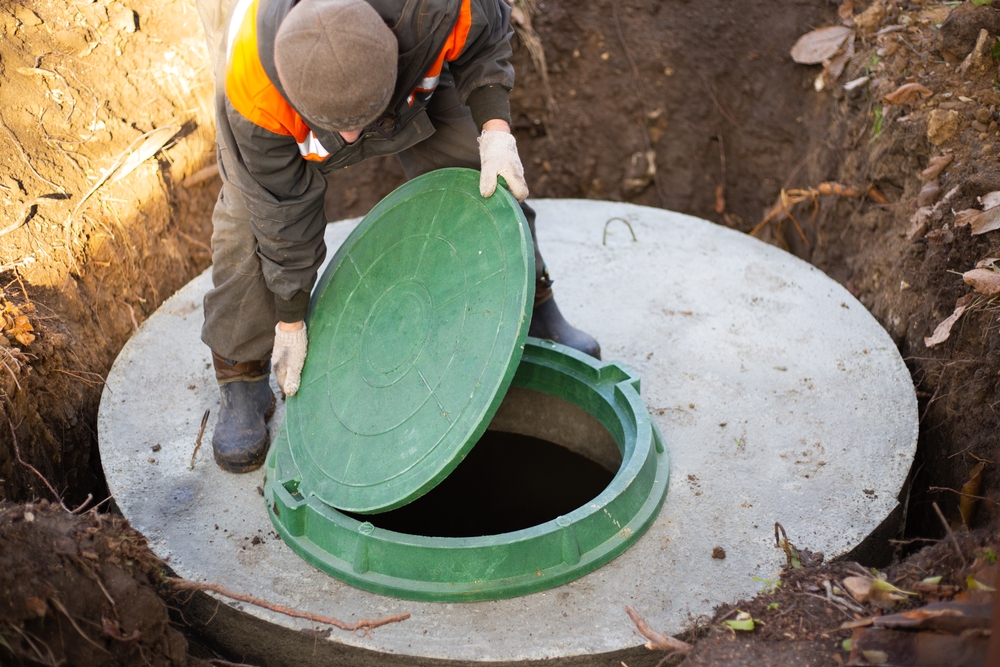
Choosing the Right Septic Tank Size for Your Home
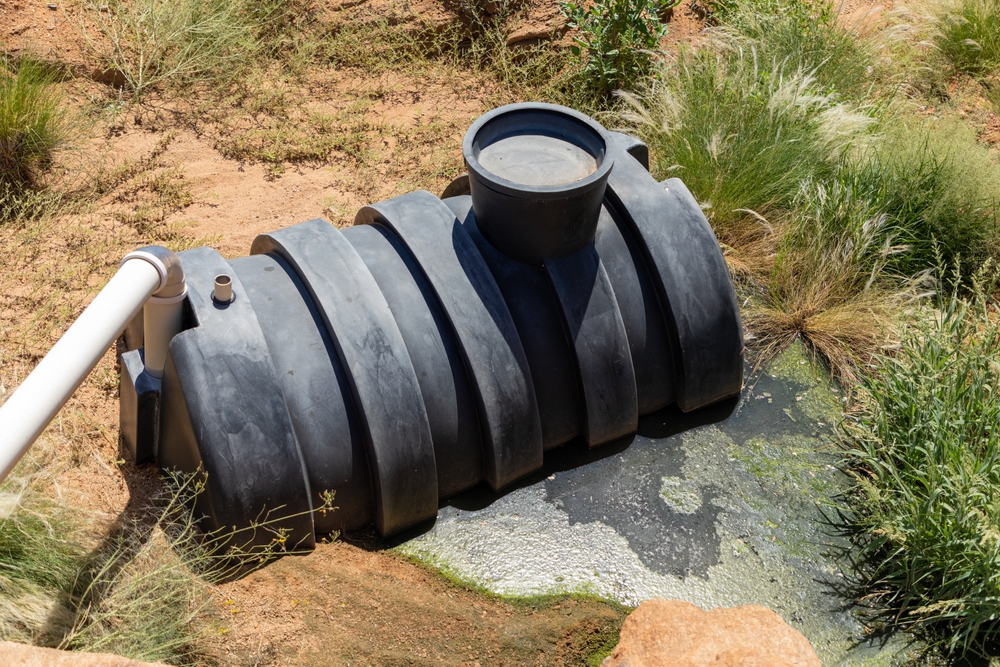
If you’re building a new home or replacing an aging septic system, choosing the right septic tank size is one of the most important decisions you’ll make. A tank that’s too small can lead to backups, frequent pumping, and unnecessary repairs, while an oversized tank may increase installation costs without providing meaningful benefits. For homeowners in Prior Lake, MN, selecting the proper size also means accounting for local soil conditions, household needs, and county requirements.
Quick Answer
The right septic tank size depends on the number of bedrooms in your home, expected daily water usage, and local regulations. Most single-family homes use tanks ranging from 1,000 to 1,500 gallons, but larger households or homes with higher water demand may require a larger system. Proper sizing helps your septic system operate efficiently and extends its lifespan.
What Local Readers Should Know
- Septic tank size is typically based on the number of bedrooms rather than the number of current occupants because future occupancy is considered.
- Scott County regulations and permitting requirements play an important role when installing or replacing a septic system.
- Clay soils and seasonal moisture changes common in the Prior Lake area can influence overall septic system design.
- Adding bathrooms, finishing a basement, or building a home addition may affect your septic system capacity needs.
- Regular inspections and pumping help protect your investment regardless of tank size.
Why This Matters Locally
Choosing the right septic tank size is especially important for homeowners throughout Prior Lake and nearby communities such as Savage, Shakopee, Credit River, Lakeville, and Jordan. Many properties rely on private septic systems instead of municipal sewer service, and Minnesota’s freeze-thaw cycles, changing groundwater levels, and varying soil types all influence long-term system performance.
Mike’s Septic & McKinley Sewer Services helps local homeowners understand how septic system sizing fits into the bigger picture of reliable wastewater management. Once we’ve discussed your property and household needs, we focus on recommending solutions that match local requirements and support dependable long-term performance.
Local Field Observations
Professional field experience shows that many septic issues begin with systems that no longer match how a property is being used. Homes with finished basements, growing families, or frequent guests often place greater demands on older septic systems than they were originally designed to handle.
We also see homeowners purchasing older homes around Prior Lake without knowing the existing tank capacity or maintenance history. A professional inspection can help determine whether the current system still meets the home’s needs.
How Septic Tank Size Is Determined
The correct septic tank size is determined by anticipated wastewater flow rather than simply selecting the largest available tank.
Several factors are evaluated during the planning process:
- Number of bedrooms
- Total bathrooms
- Daily household water usage
- Presence of water-intensive appliances
- Future home additions
- Local and state septic regulations
- Soil evaluation results
Because every property is different, the tank is only one part of the overall septic system design.
Common Septic Tank Sizes
Most residential septic systems fall into several common size categories.
1,000-Gallon Tanks
Typically suitable for smaller homes with fewer bedrooms and moderate water usage when allowed by local code.
1,250-Gallon Tanks
Often selected for medium-sized homes that have additional bathrooms or higher daily water demand.
1,500-Gallon Tanks
Frequently recommended for larger homes, households with significant water usage, or properties planning future expansion.
The best choice depends on the complete system design rather than tank size alone.
Warning Signs Your Existing Tank May Be Too Small
A septic tank that no longer meets your household’s needs may show several warning signs, including:
- Frequent backups inside the home
- Slow-draining sinks or tubs
- Sewage odors around the drain field
- Standing water near the septic area
- More frequent pumping than expected
- Gurgling sounds in plumbing fixtures
- Drain field saturation after heavy water use
These symptoms do not always indicate an undersized tank, but they should be evaluated by a professional.
When to Call a Professional
Professional guidance is recommended before installing a new septic system, replacing an existing tank, or making major additions to your home.
Homeowners can monitor basic system performance by watching for slow drains, odors, or wet spots in the yard. However, determining proper tank capacity, evaluating soil conditions, and meeting Scott County permitting requirements requires professional assessment.
Common Local Factors That Influence Septic Size
Several regional conditions affect septic system planning throughout Prior Lake and surrounding communities.
Household Growth
Homes often evolve over time. Additional family members or finished living spaces can increase wastewater production.
Soil Conditions
Different soil types throughout Scott County affect how wastewater is treated after leaving the septic tank.
Seasonal Water Levels
Spring snowmelt and heavy rainfall may influence drainage conditions on some properties.
Property Improvements
New bathrooms, accessory buildings, or home additions may require septic system evaluation before construction begins.
Prevention and Maintenance
Choosing the right tank size is only the beginning. Proper maintenance helps maximize the life of the entire septic system.
Helpful maintenance practices include:
- Schedule septic pumping at recommended intervals.
- Spread laundry throughout the week instead of washing multiple large loads in one day.
- Avoid flushing wipes, grease, or other non-biodegradable materials.
- Direct roof runoff away from the drain field.
- Schedule periodic inspections to identify developing issues early.
What Results Should You Expect?
A properly sized septic tank should provide years of dependable service when combined with regular maintenance and responsible water use.
Homeowners can generally expect:
- Improved wastewater handling
- Reduced risk of backups
- Longer system lifespan
- Better drain field performance
- Lower likelihood of emergency repairs
Actual performance depends on household habits, maintenance schedules, and overall system condition.
Common Mistakes
Choosing the Smallest Tank to Save Money
While a smaller tank may reduce initial installation costs, it can increase maintenance needs and reduce long-term performance.
Estimating Water Use Incorrectly
Planning only for current occupancy instead of future household needs may result in an undersized system.
Skipping Professional Evaluation
Proper sizing involves much more than selecting a gallon capacity. Soil conditions, regulations, and site characteristics all matter.
Common Local Scenario
A homeowner near Prior Lake purchases an older home with an existing septic system. After finishing the basement and adding another bathroom, the family begins experiencing slow drains and more frequent pumping.
An inspection reveals that while the original tank served the home adequately years ago, current water usage exceeds the original design assumptions. Evaluating the entire septic system helps determine the most appropriate long-term solution.
Related Service Solutions
Several septic services help ensure your system continues operating efficiently:
- Septic inspections
- Septic tank pumping
- Septic tank replacement
- Septic system evaluations
- Sewer inspections
- Preventive maintenance
Comparing Your Options
| Option | Best For | Considerations |
|---|---|---|
| Maintain Existing Tank | Systems operating properly with adequate capacity | Requires routine inspections and pumping |
| Replace with Similar Size | Homes with unchanged occupancy and water use | Must meet current regulations |
| Upgrade to Larger Capacity | Growing households or home additions | May improve long-term performance if properly designed |
Service Areas
We proudly serve homeowners throughout Prior Lake as well as nearby communities including Savage, Shakopee, Lakeville, Jordan, Credit River, and surrounding areas of Scott County. We understand the regional conditions that influence septic system performance across southern Minnesota.
The Cost of Ignoring Septic Sizing Issues
Ignoring septic capacity problems can lead to recurring backups, increased pumping costs, drain field damage, and more extensive repairs over time. Addressing concerns early often provides more options and helps protect your property.
Frequently Asked Questions
How do I know what size septic tank my home needs in Prior Lake?
The correct septic tank size is determined by factors such as the number of bedrooms, expected wastewater flow, local regulations, and site conditions. A professional evaluation helps ensure the system is properly designed.
Does adding a bathroom affect septic tank size?
Yes. Additional bathrooms can increase wastewater production and may require an evaluation of your existing septic system before remodeling.
Is a larger septic tank always better?
No. A larger tank is not automatically the best choice. The system should be properly designed for your property’s wastewater needs and local requirements.
How often should septic tanks be pumped in Scott County?
The appropriate pumping schedule depends on household size, tank capacity, and water usage. Regular inspections help determine the best maintenance schedule.
Can older homes in Prior Lake have undersized septic tanks?
Yes. Older systems may have been designed for smaller households or previous building layouts. Renovations and changing occupancy can increase wastewater demand.
Should I replace my septic tank if I’m expanding my home?
Possibly. Home additions that increase bedrooms or water usage should include a septic system evaluation to determine whether upgrades are necessary.
How do local soil conditions affect septic systems?
Soil characteristics influence how wastewater is treated after leaving the tank. Proper site evaluation is an important part of overall septic system design.
Can regular maintenance extend the life of my septic system?
Yes. Routine inspections, scheduled pumping, and responsible water use help support reliable performance and reduce the risk of costly repairs.
Choosing the Right Septic System Starts with the Right Plan
Selecting the proper septic tank size helps protect your home’s plumbing, supports efficient wastewater treatment, and reduces the likelihood of future problems. Every property has unique needs, making professional guidance an important part of the decision.
Get Expert Help with Your Septic System
Whether you’re building a new home, replacing an aging tank, or planning an addition, we’re here to help you choose a septic solution that fits your property and local requirements.