Preparing for Your Septic Compliance Inspection: A Handy Checklist
Septic compliance inspections are a routine but critical part of maintaining a safe, functional, and legally sound property. Whether you are facing an upcoming inspection for the first time or you have been through the process before, knowing what to expect and how to prepare can save you time, money, and a whole lot of stress.
This guide will walk you through everything you need to know so you can approach your next inspection with confidence.
Understanding What Septic Compliance Inspections Actually Cover
Before you can prepare for an inspection, it helps to understand what inspectors are actually looking for. Septic compliance inspections in Savage, MN are designed to verify that your system is functioning properly, that it meets current local and state regulations, and that it is not posing any risk to groundwater, neighboring properties, or public health.
During an inspection, a licensed professional will typically assess the condition of your septic tank, the distribution box, and the drainfield or soil absorption system. They will check for signs of leaks, backups, or structural damage. They will also verify that the system has adequate capacity for the number of bedrooms on your property and confirm that any previous repairs or modifications were completed correctly and up to code.
Scott County has specific requirements for septic systems, and properties in Savage, MN must comply with Minnesota Pollution Control Agency (MPCA) regulations. These rules are in place to protect the environment and public health, and they are taken seriously during every inspection. Knowing what the inspector is evaluating helps you prepare each part of your system ahead of time.
Locating Your Septic System Records and Documentation
One of the first things you should do before any inspection is gather all relevant paperwork related to your septic system. Inspectors will want to review your system’s installation records, any previous inspection reports, maintenance logs, and documentation of past repairs or pumping services.
If you have recently moved into your home or misplaced older records, contact Scott County or the previous homeowner to obtain copies. In many cases, the county has records of permitted septic systems on file. If your system was installed, modified, or inspected in recent years, those records may already be in a county database.
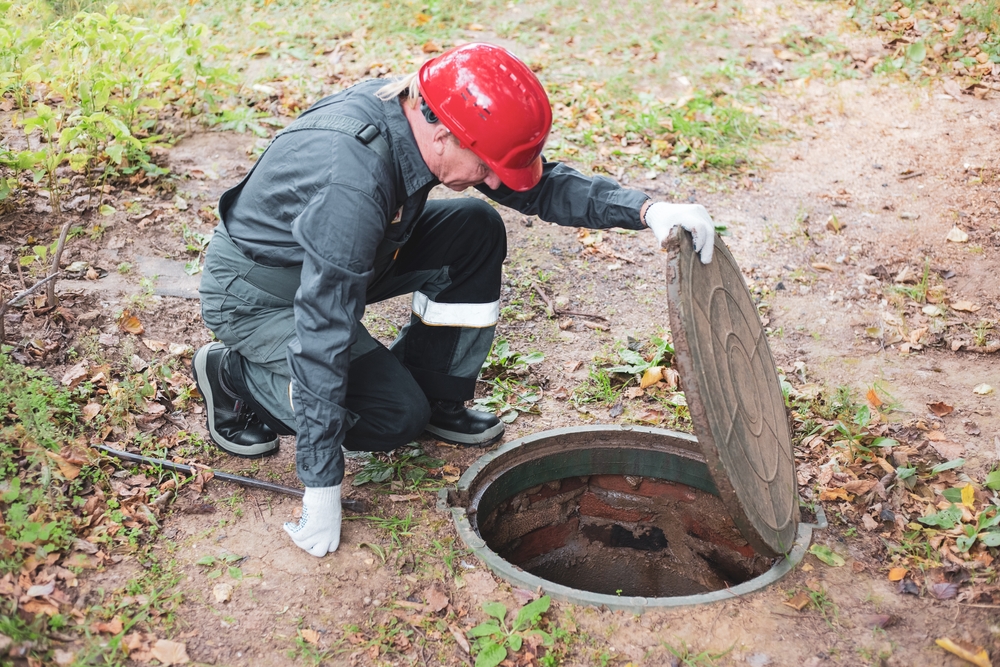
You should also note the location of your septic tank lids, inspection ports, and drainfield boundaries. Inspectors need clear access to these components, and knowing where they are ahead of time will speed up the process significantly. If you are unsure where your tank is buried, a professional septic pumping service in Savage, MN can help you locate it before your inspection date.
Scheduling a Septic Pumping Service Before the Inspection
This is one of the most important steps on any pre-inspection checklist. Having your tank pumped before the inspector arrives allows for a much more thorough evaluation of your system’s interior components. When the tank is full or near capacity, it is difficult to assess the baffles, inlet and outlet pipes, and tank walls for cracks or deterioration.
Scheduling a septic pumping service in Savage, MN a week or two before your inspection gives everything time to settle and allows the inspector to get a clear view of what is going on inside the tank. It also demonstrates to the inspector that you are a diligent property owner who takes maintenance seriously, which can work in your favor during the evaluation.
Beyond inspection preparation, routine pumping is simply good practice. Most septic tanks should be pumped every three to five years, depending on household size and usage. If you have not had your tank pumped in several years, do not wait until the day before your inspection. Give yourself enough lead time to schedule with a reputable local service provider.
Inspecting the Drainfield and Surrounding Yard Area
Your drainfield is just as important as the tank itself, and inspectors will pay close attention to its condition. In the days before your inspection, take a walk around your yard and look for any warning signs that something may be wrong.
Watch for wet or soggy patches of ground above the drainfield, especially if there has not been recent rainfall. Unusually lush or fast-growing grass over the drainfield area can indicate that effluent is surfacing, which is a red flag for any inspector. You should also check for foul odors coming from the drainfield or surrounding soil.
Make sure the area around your drainfield is clear of obstacles. Vehicles, heavy equipment, and structures should never be parked or built over the drainfield, as they compress the soil and can crush the distribution pipes below. If you have trees or large shrubs planted near the system, their roots may have infiltrated the pipes, and this is something an inspector will want to investigate.
Avoid doing laundry, running the dishwasher, or taking long showers in the 24 hours leading up to your inspection. Reducing water use before the inspector arrives gives your system time to drain down and makes it easier to evaluate performance under normal conditions.
Fixing Minor Issues Before the Inspector Arrives
If you noticed anything concerning during your own walkthrough, address it before the inspection if possible. Common minor issues include damaged or missing tank lids, loose or cracked inspection port covers, and vegetation growing over access points. These are relatively simple to fix and can prevent your inspection from flagging unnecessary concerns.
However, be cautious about attempting major repairs on your own without the proper permits and licensing. In Minnesota, septic system repairs typically require a permit and must be performed by a licensed professional. Attempting unauthorized work could create bigger problems down the line, especially if those changes are discovered during the inspection.
If your system has known problems, such as a slow drain throughout the house, gurgling sounds in the plumbing, or backed-up fixtures, disclose these honestly to your inspector. Trying to conceal issues will not help you pass an inspection, and transparency allows the inspector to provide better guidance on next steps.
Conclusion
Preparing for septic compliance inspections in Savage, MN does not have to be overwhelming. By organizing your records, scheduling a septic pumping service in Savage, MN ahead of time, checking your drainfield, and addressing minor issues early, you position your system for a smooth and successful evaluation. A little preparation goes a long way toward protecting your property, your investment, and the environment around you.
Need Septic Tank Services Near You?
Since 1956, Mike’s Septic & McKinley Sewer Services has been providing the local area with an invaluable service. We are a family-owned and -operated company that takes pride in the work that we do and the relationships we build with our customers. We strive for perfection with each job we take and make sure our customers are always happy. At Mike’s Septic & McKinley Sewer Services, we specialize in everything septic. We handle anything from tank and system design to the actual installation. We do septic system and tank repairs, cleaning, pumping, and routine maintenance. We also do tank and system compliance inspections and certification. Contact us today to learn more about what we can do for you!