Preparing for a Septic Compliance Inspection: A Checklist for Homeowner
Septic compliance inspections are essential for any homeowner with an on-site wastewater treatment system. If you own property in Savage, Minnesota, understanding how to prepare for a septic compliance inspection can help you avoid costly repairs and ensure your system operates efficiently. This comprehensive guide walks you through everything you need to know about preparing your home for this important inspection.
Septic Compliance Inspections
A septic compliance inspection is a thorough evaluation of your septic system conducted by a certified inspector. These inspections ensure that your system meets local and state environmental regulations and operates safely without contaminating groundwater or surrounding properties. In Savage, Minnesota, septic compliance inspections are often required when selling property, applying for permits, or as part of regular maintenance schedules.
The inspection process typically involves examining your septic tank, drain field, soil conditions, and the overall system’s functionality. The inspector will check for signs of failure, improper installation, or maintenance issues. Understanding what the inspector will evaluate helps you prepare your property accordingly and demonstrates your commitment to environmental responsibility and code compliance.
Locating Your Septic System Components
Before your scheduled inspection, you need to know exactly where your septic system is located. This includes identifying the tank, drain field, and all associated piping. Many homeowners are unaware of their system’s precise location, which can complicate the inspection process. Review your original property records or consult with previous homeowners if documentation is unavailable.
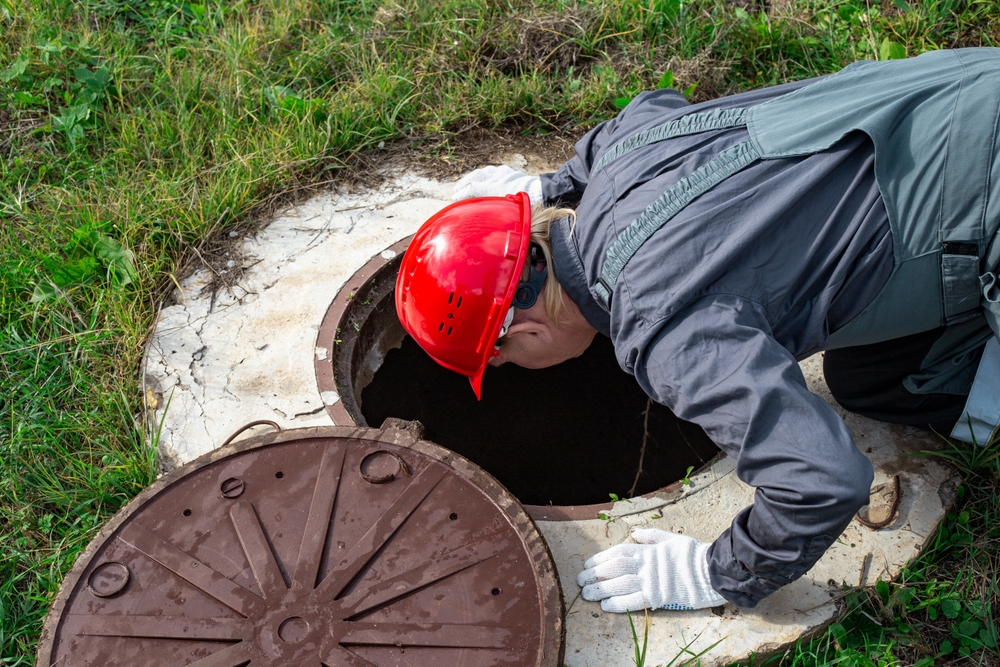
Mark the location of your septic tank clearly so the inspector can easily access it. Remove any debris, vehicles, or structures that might be covering the tank area. The inspector needs clear access to the tank lid and surrounding area to conduct a proper assessment. In Savage, Minnesota, where winters can be harsh, ensure that snow and ice are cleared from the inspection area during winter months.
Document the location of your drain field as well. The drain field is a critical component that disperses treated wastewater into the soil. Keep this area clear of heavy vehicles, structures, and excessive vegetation. Understanding your system’s layout demonstrates preparedness to the inspector and expedites the inspection process.
Maintaining Records and Documentation
Gather all available documentation related to your septic system before the inspection. This includes original installation records, previous inspection reports, septic pumping service receipts, and any maintenance work performed. These records provide valuable history about your system’s condition and care.
If you have used a professional septic pumping service in Savage, Minnesota, maintain those service records carefully. Documentation showing regular pumping every three to five years demonstrates proper system maintenance and responsible ownership. When the inspector sees evidence of consistent care, it reflects positively on your property and system reliability.
Document the age of your system if known. Older systems may require more frequent inspection or upgrades to meet current codes. Create a maintenance log noting any unusual drainage issues, slow drains, or sewage backups. These details help the inspector understand your system’s history and identify potential problems.
Conducting Pre-Inspection Preparation
Several weeks before your scheduled inspection, perform basic maintenance checks on your septic system. Ensure that all drains in your home are flowing properly without backing up. Check for any unusual odors around your yard or coming from sink drains, as these may indicate system problems.
Reduce water usage in the days before your inspection. Avoid running multiple loads of laundry or taking long showers, as this minimizes the wastewater entering your system just before evaluation. A system operating under normal conditions provides the inspector with a more accurate assessment of its functionality.
Inspect your yard for visible signs of system failure. Look for unusually green patches of grass over the drain field, soggy areas, or standing water. These conditions may indicate that your drain field is failing and unable to properly absorb treated wastewater. Report any suspicious conditions to the inspector when they arrive.
Scheduling Your Septic Pumping Service Before Inspection
Consider scheduling a professional septic pumping service in Savage, Minnesota, several weeks before your compliance inspection. A pumped tank allows the inspector to see the tank’s interior condition and assess the system’s functionality more accurately. This proactive step demonstrates your commitment to proper maintenance and can reveal issues before the official inspection.
When you hire a septic pumping service, inform the technician about your upcoming compliance inspection. Professional technicians can identify potential problems that might require attention before the inspector arrives. They can provide recommendations for repairs or maintenance that might be necessary to pass inspection.
Regular septic pumping service keeps your system operating efficiently and extends its lifespan. In Savage, Minnesota, many homeowners pump their systems every three to five years, though frequency depends on tank size and household water usage. Pumping before inspection ensures your system is in optimal condition and demonstrates responsible ownership to the inspector.
Preparing Your Property for Inspection Day
On the day of your inspection, ensure easy access to all septic system components. Trim back any overgrown vegetation around the septic tank area. Clear pathways so the inspector can safely walk to and around the system without obstacles or hazards.
Inform household members about the inspection schedule and request that they minimize water usage during the inspection window. This includes avoiding laundry, showers, and toilet flushing immediately before or during the inspection. The inspector needs to evaluate your system under normal operating conditions without excessive stress from water consumption.
Prepare a quiet workspace where the inspector can document findings and explain results. Have any questions written down before the inspector arrives, and be ready to discuss your system’s history and any concerns you have noticed. A cooperative and organized approach to the inspection helps ensure a thorough and professional evaluation.
Have your property records and previous service documentation readily available for the inspector to review. A complete maintenance history supports your case when inspection results require further explanation or dispute. In Savage, Minnesota, inspectors appreciate homeowners who maintain detailed records and demonstrate genuine care for their properties.
Conclusion
Preparing for a septic compliance inspection requires planning, documentation, and proactive maintenance. By understanding your system’s location, maintaining detailed records, scheduling professional septic pumping service in Savage, Minnesota, and preparing your property for inspection day, you significantly improve the likelihood of passing your compliance evaluation. Taking these steps protects your property value, ensures environmental responsibility, and provides peace of mind knowing your septic system operates safely and efficiently.
Need Septic Tank Services Near You?
Since 1956, Mike’s Septic & McKinley Sewer Services has been providing the local area with an invaluable service. We are a family-owned and -operated company that takes pride in the work that we do and the relationships we build with our customers. We strive for perfection with each job we take and make sure our customers are always happy. At Mike’s Septic & McKinley Sewer Services, we specialize in everything septic. We handle anything from tank and system design to the actual installation. We do septic system and tank repairs, cleaning, pumping, and routine maintenance. We also do tank and system compliance inspections and certification. Contact us today to learn more about what we can do for you!