What Prior Lake Residents Need to Know About Septic Systems
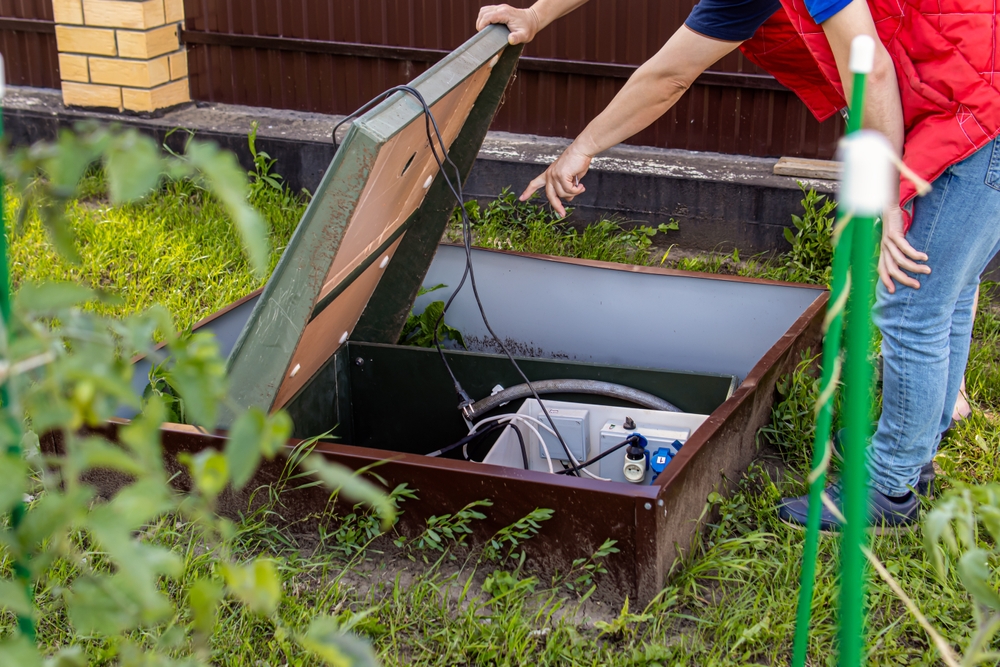
For many homeowners in Prior Lake, a septic system quietly handles wastewater every day without much thought. That changes quickly when a drain slows down, the yard develops wet spots, or an unpleasant odor appears. Understanding how your septic system works and how local conditions affect it can help you avoid unexpected repairs and keep your property running smoothly.
Quick Answer
Prior Lake residents should know that regular septic inspections, routine pumping, water conservation, and protecting the drain field are the keys to a healthy septic system. Local soil conditions, seasonal weather changes, and growing communities throughout Scott County can all influence how well a septic system performs over time.
What Local Readers Should Know
-
Many homes throughout Prior Lake and rural Scott County rely on private septic systems instead of municipal sewer service.
-
Minnesota’s freezing winters and spring snowmelt can affect septic system performance if maintenance is neglected.
-
Keeping vehicles, sheds, and heavy equipment off your drain field helps prevent costly damage.
-
Routine inspections can identify small issues before they become emergency repairs.
-
Proper disposal habits protect both your septic system and local groundwater.
Why This Matters Locally
Septic systems play an important role for many properties throughout Prior Lake, Spring Lake Township, Credit River, and surrounding Scott County communities. While newer developments may connect to city sewer, many homes on larger lots or near local lakes depend on private wastewater treatment systems.
Minnesota’s climate presents unique challenges. Frozen ground during winter, saturated soils after spring thaw, and periods of heavy summer rainfall can all place additional stress on septic systems. Understanding these local conditions helps homeowners make better maintenance decisions throughout the year.
At Mike’s Septic & McKinley Sewer Services, we help homeowners understand how local conditions influence septic performance so they can make informed decisions about maintenance and repairs.
Local Data or Field Observations
Professional field observations consistently show that many septic problems begin with deferred maintenance rather than sudden equipment failure. Systems that receive regular inspections and pumping often experience fewer emergency service calls than those left unchecked for many years.
Properties with mature trees, heavy water use, or aging septic components may require closer monitoring than newer installations.
Local Impact
A properly functioning septic system protects your home, your property value, and the surrounding environment. When problems develop, homeowners may experience unpleasant odors, slow plumbing fixtures, sewage backups, or standing water in the yard.
For residents near Prior Lake, Spring Lake, or other nearby waterways, maintaining a healthy septic system also helps protect local water quality. Routine maintenance benefits both individual properties and the broader community.
Warning Signs
A septic system often provides warning signs before a major failure occurs. Watch for:
-
Slow draining sinks, tubs, or showers throughout the home.
-
Gurgling sounds coming from plumbing fixtures.
-
Sewage odors inside the home or near the drain field.
-
Wet or unusually green patches of grass above the drain field.
-
Sewage backing up into drains or toilets.
-
Standing water around the septic area after normal weather conditions.
-
Frequent plumbing clogs affecting multiple fixtures.
If several of these symptoms appear together, it’s a good time to schedule a professional inspection.
When to Call a Professional
Professional septic service is recommended whenever you notice persistent drainage issues, sewage odors, backups, or signs of drain field saturation. While homeowners can monitor water usage, protect the drain field, and watch for warning signs, diagnosing underground septic components requires specialized knowledge and equipment.
Addressing problems early often helps prevent more extensive repairs.
Common Local Causes
Several factors commonly contribute to septic issues in the Prior Lake area.
1. Infrequent Pumping
Over time, solids accumulate inside the septic tank. Without periodic pumping, those solids can move into the drain field and reduce its effectiveness.
2. Heavy Water Usage
Large amounts of water entering the system over a short period can overwhelm the septic tank and drain field, especially during busy weekends or holiday gatherings.
3. Seasonal Ground Conditions
Spring snowmelt, saturated soils, and periods of prolonged rainfall can temporarily reduce the drain field’s ability to absorb wastewater.
4. Improper Disposal Habits
Flushing wipes, grease, paper towels, hygiene products, or other non-biodegradable materials can create blockages and interfere with normal septic operation.
5. Drain Field Damage
Parking vehicles, installing structures, or compacting soil above the drain field can reduce its ability to properly treat wastewater.
Prevention and Maintenance
Routine maintenance remains the best way to extend the life of a septic system.
Helpful practices include:
-
Schedule regular septic inspections.
-
Pump the septic tank at intervals recommended for your household and system size.
-
Spread laundry loads throughout the week instead of completing many loads in one day.
-
Repair leaking faucets and toilets promptly.
-
Keep trees and deep-rooted vegetation away from septic components when appropriate.
-
Never drive or park heavy equipment over the drain field.
-
Dispose of grease, chemicals, medications, and wipes properly instead of flushing them.
Seasonal inspections before winter or after spring thaw can also help identify developing issues.
Expected Results
With consistent maintenance, many septic systems provide reliable service for many years. Routine inspections can identify worn components, developing blockages, or maintenance needs before they become larger problems.
While every property is different, homeowners who stay proactive often experience fewer emergency situations and better long-term system performance.
Common Mistakes
Mistake: Waiting until sewage backs up before scheduling service.
Consequence: Repairs may become more extensive and expensive.
Better Approach: Schedule regular inspections and maintenance before problems develop.
Mistake: Treating the septic system like a trash can.
Consequence: Blockages and premature system wear.
Better Approach: Only flush materials intended for septic systems.
Mistake: Ignoring slow drains for months.
Consequence: Minor issues may worsen over time.
Better Approach: Investigate recurring drainage problems early.
Common Local Scenario
A homeowner outside the main sewer service area notices the lawn above the drain field remains wetter than surrounding areas after a period of heavy rain. A professional inspection determines that maintenance is overdue and identifies an issue before it develops into a complete system failure. Addressing the problem early helps minimize disruption and restore normal system performance.
Related Service Solutions
Depending on the condition of your system, helpful services may include:
-
Septic inspections
-
Septic tank pumping
-
Septic system maintenance
-
Sewer line inspections
-
Troubleshooting drainage issues
-
Septic repairs when necessary
Comparing Your Options
| Option | Advantages | Considerations |
|---|---|---|
| Routine Maintenance | Helps identify issues early and supports long-term performance | Requires scheduled service |
| Emergency Repairs | Addresses immediate problems | May involve greater expense if issues have progressed |
| DIY Monitoring | Helps homeowners recognize warning signs | Does not replace professional inspection |
Service Areas
We proudly serve homeowners throughout Prior Lake and neighboring communities across Scott County, including Savage, Shakopee, Credit River, Spring Lake Township, and surrounding areas. Our goal is to provide reliable septic and sewer services tailored to the needs of local properties.
Cost of Ignoring the Issue
Ignoring septic warning signs can allow small maintenance concerns to develop into larger repairs. Delayed service may increase the risk of sewage backups, drain field damage, property disruption, and higher repair costs. Addressing concerns promptly often provides more options for resolving the problem.
Frequently Asked Questions
How often should a septic tank be pumped in Prior Lake?
The appropriate pumping schedule depends on household size, water usage, and tank capacity. Regular inspections help determine when pumping is needed based on your specific system rather than relying on a fixed schedule.
Does Minnesota winter affect septic systems?
Yes. Frozen ground, extended cold weather, and improper insulation can affect septic system performance. Preparing your system before winter and avoiding excessive water use during freezing conditions can help reduce problems.
Can heavy rain cause septic issues around Prior Lake?
Yes. Saturated soil may temporarily reduce how efficiently a drain field absorbs wastewater. If drainage problems continue after the ground dries, a professional inspection is recommended.
Is it safe to use septic additives?
Most properly functioning septic systems do not require routine additives. Following good maintenance practices and scheduling inspections generally provides better long-term results.
Can I build over my drain field?
No. Buildings, patios, driveways, and other structures should not be placed over a drain field because they can interfere with proper operation and future maintenance.
What should I never flush into a septic system?
Only human waste and toilet paper should typically be flushed. Wipes, grease, hygiene products, chemicals, paper towels, and similar materials can contribute to blockages and system problems.
Do older homes in Scott County need more frequent inspections?
Older properties may have aging septic components or systems approaching the end of their service life. Regular inspections help identify maintenance needs before they become significant issues.
When should I call a septic professional?
If you notice recurring slow drains, sewage odors, standing water near the drain field, or backups affecting multiple fixtures, scheduling a professional evaluation is the safest next step.
Closing
Understanding how your septic system works is one of the best ways to protect your home and avoid unnecessary repairs. With regular maintenance, attention to warning signs, and professional inspections when needed, homeowners throughout Prior Lake can keep their systems operating reliably for years to come.
Protect Your Septic System Before Problems Start
Regular septic maintenance helps protect your home, your property, and your peace of mind.